 Provo
Rodent Control in Provo, UT
Scratching in the walls at 2 a.m.? Provo Rodent Pros answers that call: when the first cold nights roll off the Wasatch bench, deer mice and house mice move into Provo attics, garages, and wall voids — and they do not leave on their own. We find them, remove them, seal them out, and clean up what they left behind.
Call (385) 406-1774Free EstimateFree estimate on the call — no obligation.
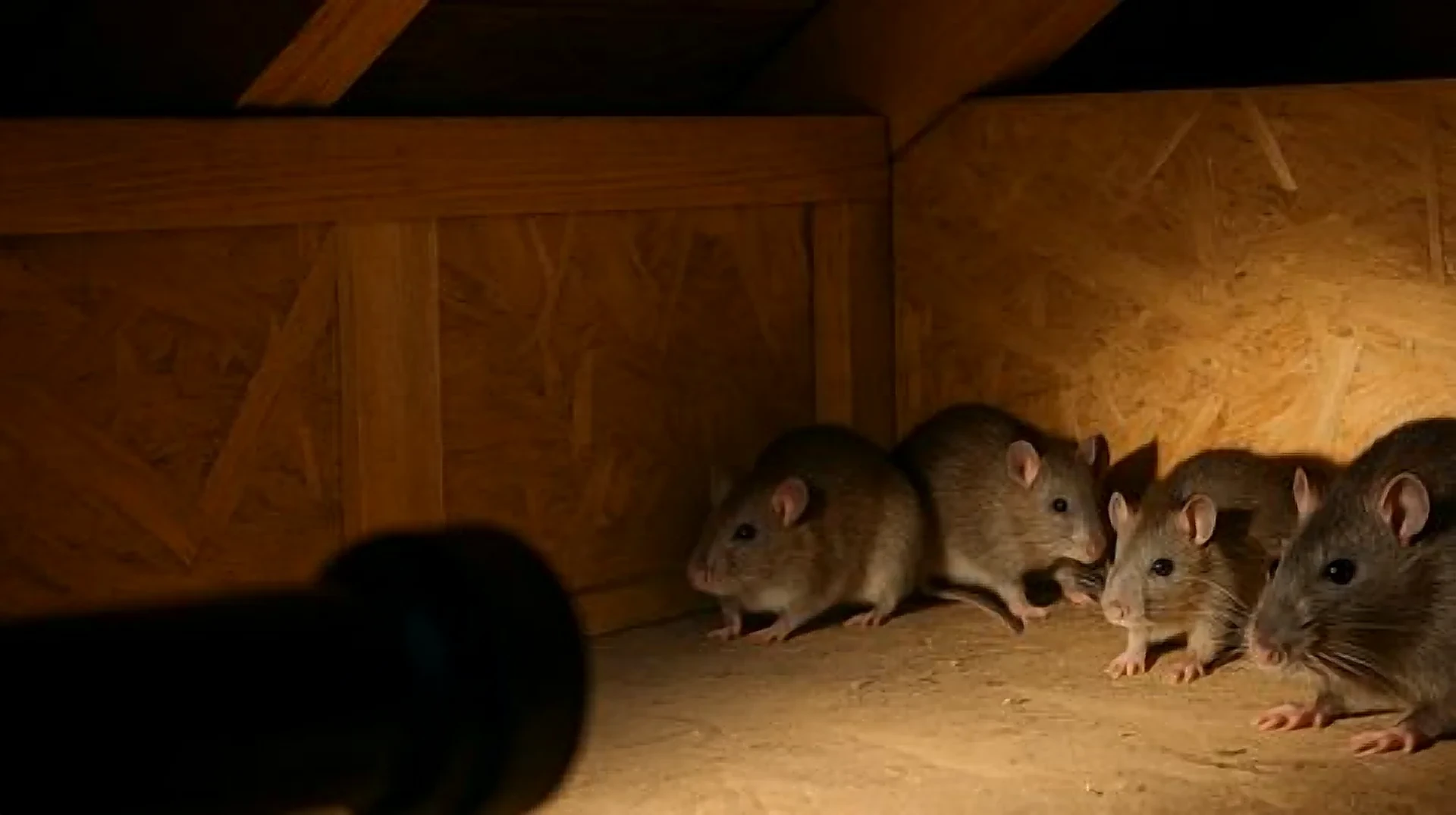
Provo's Rodent Control Specialists
Most pest companies spray for everything and treat rodents as an afterthought. We are the opposite. Every visit, every tool, and every page of training on our team is about rats, mice, and voles — how they get into Utah County homes, where they nest, and how to keep them out for good. That focus matters here:
Deer Mice and House Mice in Provo
Deer mice live mainly in fields and vegetated areas around buildings. When temperatures drop, they can move indoors in search of food and shelter. Utah State University Extension describes deer mice as occasional invaders of buildings. They can also carry hantavirus, so droppings and nesting material need careful handling. We identify the rodent before choosing a removal or cleanup plan.
Source: Utah State University Extension
From the older homes around downtown and BYU to bench neighborhoods at the mouth of Rock Canyon, we match the plan to the house, the species, and the season. Learn more about Provo Rodent Pros, and find answers on our Provo rodent control FAQ page. Rodent pressure follows the seasons in Utah County — see our Provo rodent season calendar for what moves, and when.
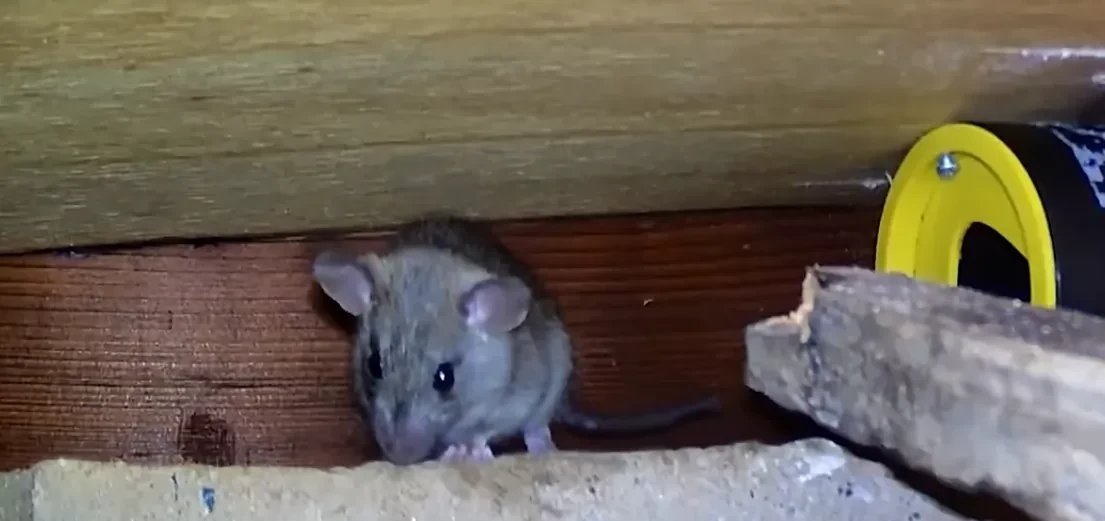
Why Rodents Move Into Provo Homes
Provo's rodent season is written into its climate. At the Provo BYU weather station, NOAA's 1991–2020 normals put the median first freeze on October 21 and the first hard freeze on November 1 — and Utah State University Extension links that exact pattern to rodent entry: "With the onset of cold weather, mice and rats may enter buildings as they search for food and shelter." January averages a high of 41.0°F and a low of 23.5°F, with 12.5 inches of snow, and the year brings 44.9 inches of snow and 17.2 inches of precipitation in total. Cold pushes mice in — and USU notes that unseasonably warm spells in the middle of winter can push reports up again, as mice already indoors become active and visible.
That is why the calls follow a calendar, not a random pattern: a first wave with the October freeze, steady pressure through the cold months, and a second wave when spring cleaning opens up attics, sheds, and cabins that sat closed all winter. The deer mouse, which prefers fields and open ground around buildings, moves indoors when it gets cold; the house mouse does the same. Our Provo rodent season calendar maps the year month by month — and exclusion done before the first freeze is the cheapest month to do it in.
Our Rodent Control Services
Rat Control
Norway rats along the Provo River corridor and in older commercial areas — trapping, removal, and proofing.
Rat control in Provo →Mice Control
Deer mice and house mice in attics, walls, and pantries. Removal plus the sealing that stops the next wave.
Mice control in Provo →Rodent Removal
Live and dead rodent removal from attics, walls, and crawl spaces — including odor problems.
Rodent removal →Rodent Exclusion
Entry-point sealing, roofline work, vent screening, and garage seals. The step that makes removal last.
Exclusion services →Rodent Proofing
Whole-home proofing for houses, rentals, and new construction across Utah County.
Proofing options →Rodent Inspection
Attic inspections and pre-purchase rodent inspections with a written findings summary.
Book an inspection →Attic Rodent Control
Attic cleanup, contaminated insulation removal and replacement, and re-entry prevention.
Attic services →Damage Cleanup Dropping Cleanup
Droppings and urine contamination cleanup done the safe way — important with deer mice in Utah.
Cleanup services →Commercial Rodent Control
Restaurants, warehouses, property managers, and student housing across Utah County.
Commercial services →Vole Control
Meadow voles tearing up lawns and garden beds — a Utah County specialty problem.
Vole control →What Does Rodent Control Cost in Provo?
Typical Utah County market estimates — not quotes, and not a substitute for inspection. Inspection $0–$150 (often free) · Removal & trapping $150–$500 · Exclusion & sealing $300–$1,500 · Monthly prevention $40–$75/mo. See the full breakdown on our Provo rodent control cost page, or call and describe what you are seeing — the inspection turns the range into your real number.
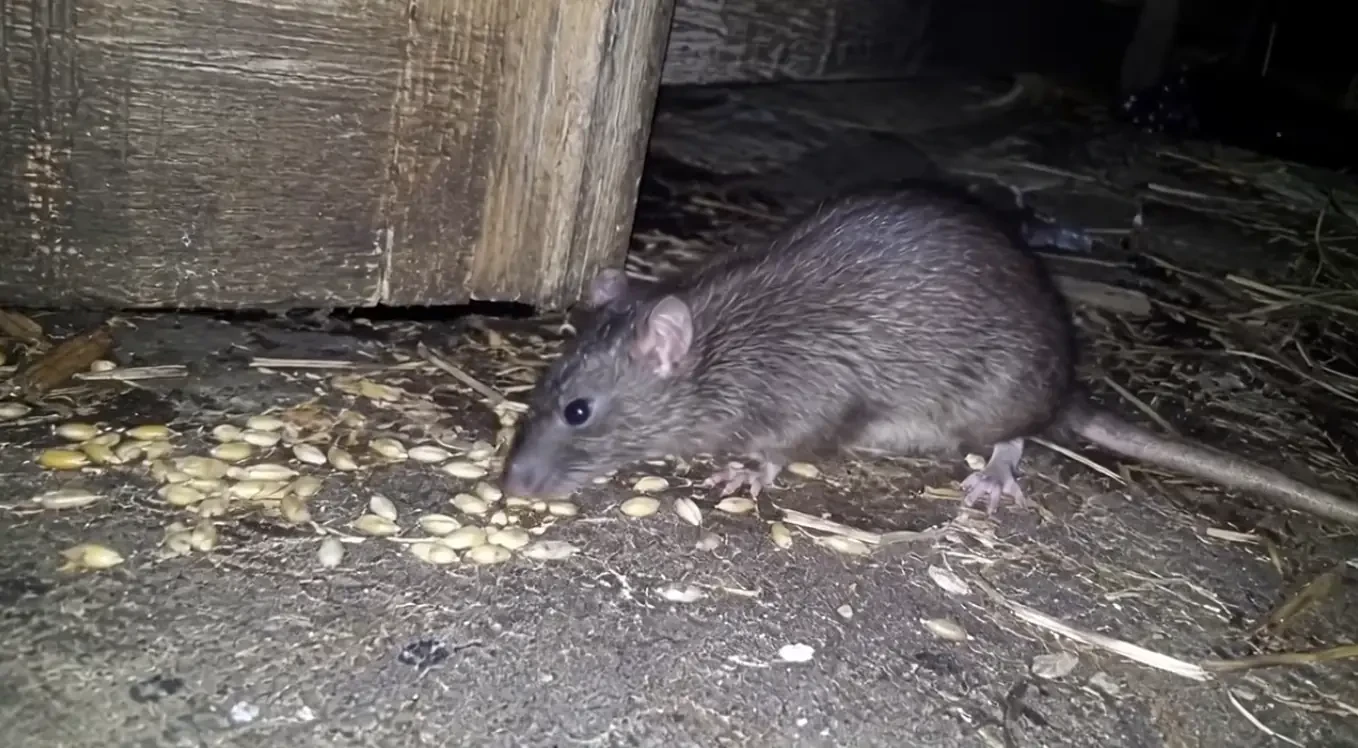
Which Provo Homes Are Most at Risk
Provo is a renter-heavy city, and that shapes its rodent map. The U.S. Census Bureau puts Provo's population at 115,162 in the 2020 Census, with an estimated 114,527 in July 2025 — and only 39.4% of housing units are owner-occupied, which means roughly six in ten Provo households rent. Median gross rent was $1,193 in 2020–2024, across 34,022 households averaging 3.02 people each. In a rental, a mouse in the wall is often nobody's job until it becomes everybody's problem: the tenant hears it first, the landlord pays for the fix, and the gap under the garage door that let the mouse in belongs to neither of them on paper.
Brigham Young University adds a second layer. BYU's fall 2024 enrollment was 35,873 students — 32,952 undergraduates and 2,921 graduate students — in a city of about 115,000 people. Where students live, turnover is constant and shared walls are the norm, so a mouse problem in one unit rarely stays in one unit. That is why we work with student housing and property managers across Provo as well as single-family homes: the fix is the same — find the entry, remove the animals, seal the gap — but rentals need the coordination done properly.
Why Provo Homeowners Call Us
- Rodents only. No general spraying contracts — every service is built around rats, mice, and voles.
- Removal plus exclusion. Catching what is inside is half the job. We seal how they got in, or we have not finished.
- Utah species knowledge. Deer mice and hantavirus safety, voles in the lawn, Norway rats near the river — we treat what actually lives here.
- Honest advice. If your problem is a single mouse and a gap under the garage door, we will tell you exactly that.
How It Works
Inspection
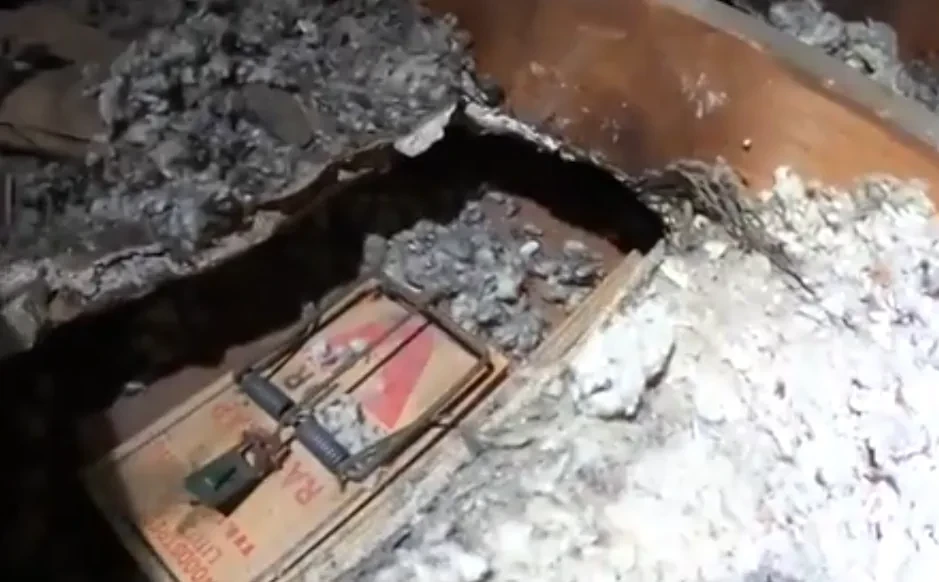
We check the attic, roofline, foundation, and garage to identify the species, the damage, and every entry point.
Removal
Trapping and removal matched to the species and the location — attics, walls, crawl spaces, or living areas.
Exclusion
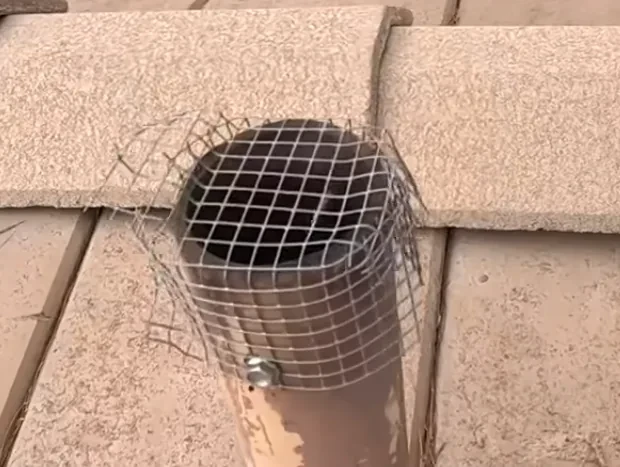
We seal entry points with rodent-proof materials so the next mouse on the bench cannot follow the same path in.
Cleanup & Prevention
Safe cleanup of droppings and nesting, plus a prevention plan for your home and yard.
Signs You May Have a Rodent Problem
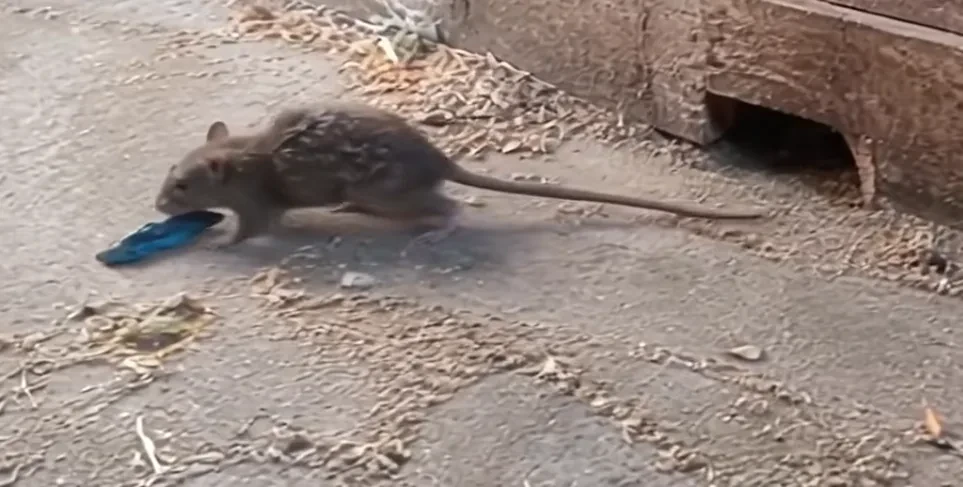
- Scratching or scurrying sounds in walls or the ceiling, especially at night
- Small dark droppings along walls, in the pantry, or under sinks
- Chewed food packaging, wires, or insulation
- Grease marks along baseboards and entry holes
- A musty, ammonia-like smell in the attic or garage
- Runways and burrow holes in the lawn (a classic vole sign)
Each of these signs is explained in detail — what it means, how fresh it is, and what to do next — in our Utah-wide signs of rodent infestation guide.
The Health Risk Behind the Droppings
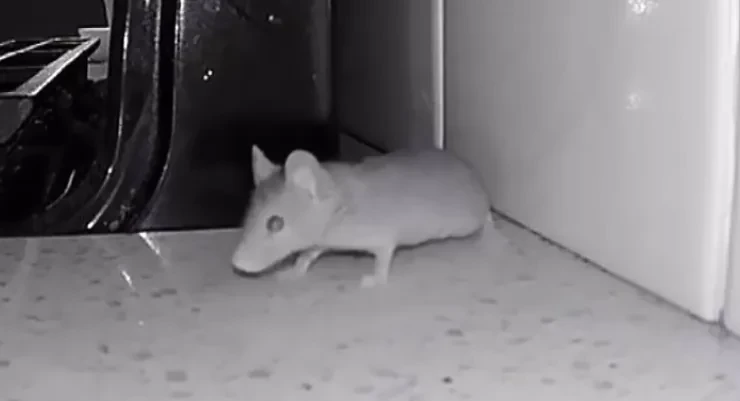
Droppings in a Provo attic are not just a mess — in deer-mouse country, they are a health task. The deer mouse is the primary reservoir of the hantavirus that causes hantavirus pulmonary syndrome (HPS) in the United States, carrying the Sin Nombre strain first recognized in the 1993 Four Corners outbreak. The CDC reports 890 U.S. cases from 1993 through the end of 2023, with 35% fatal and 94% west of the Mississippi River. Utah's own health department puts the fatality rate higher, at about 60% of reported cases. Utah has recorded cases since surveillance began — 14 confirmed cases with five deaths by June 2000 — and as recently as August 2016, a Utah County woman's death was the second hantavirus death in Utah that year and the tenth Utah case since 2006.
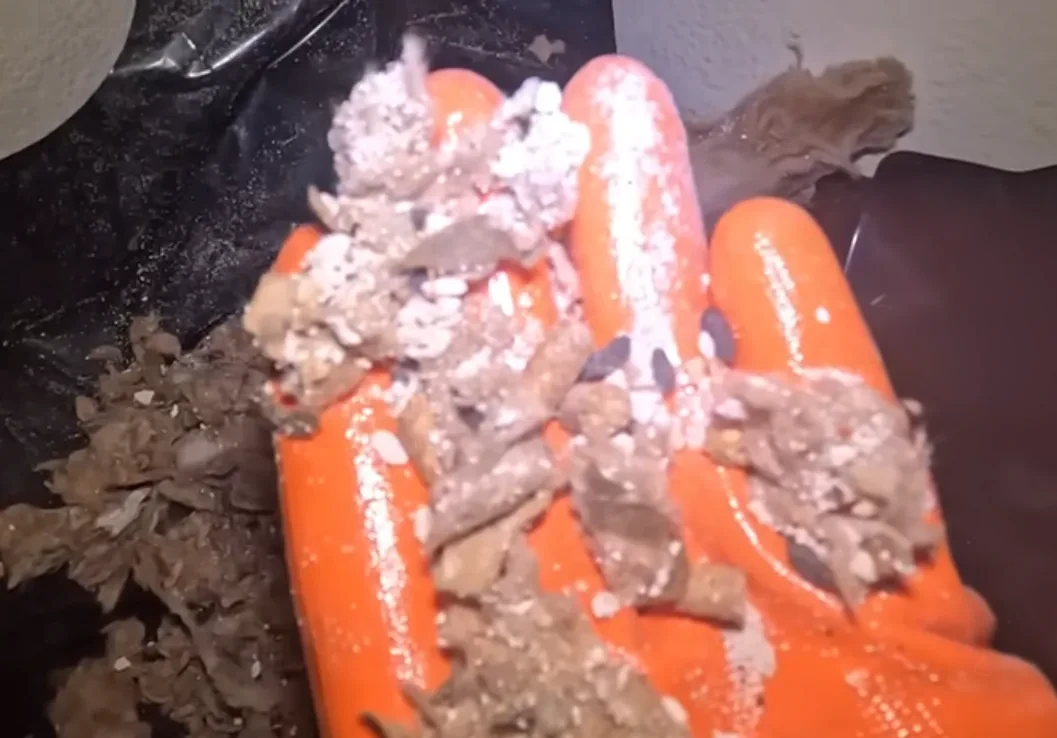
The risk is in the dust, not the droppings themselves. People get HPS when they breathe in virus stirred up from dried urine and droppings — which is exactly what sweeping or vacuuming does. In a CDC study of cases from 1993 to 2015, most people (71%) were exposed at home, and 17% of those were exposed while cleaning. Symptoms appear 1 to 5 weeks after exposure: fatigue, fever, and muscle aches first, then coughing and shortness of breath 4 to 10 days later as the lungs fill with fluid. That is why our rodent dropping cleanup in Provo follows the wet method — ventilate, wet down with disinfectant, pick up by hand with protection, bag and seal — and never dry-sweeps. The full process, the species guide, and when to call a professional are on that page, and the damage cleanup service handles the contamination once the animals are out.
What Utah's Own Experts Advise
You do not have to take our word for how this works — Utah's own institutions say the same thing. The CDC's prevention order is three words: SEAL UP, TRAP UP, CLEAN UP. Utah State University Extension gives the numbers: seal every hole and opening larger than a quarter inch for mice (a half inch for rats alone), using concrete mortar, sheet metal, or heavy-gauge hardware cloth, and set at least six snap traps close to walls, baited with peanut butter. USU also warns against two common mistakes: rodent poison inside the home — poisoned mice die in walls and the decay brings odor problems — and ultrasonic or electromagnetic repellers, for which USU states there is no scientific evidence they work.
For cleanup, the guidance is consistent across the CDC, USU Extension, and the Utah Department of Health and Human Services: wear gloves and a mask, spray droppings and nesting with disinfectant or a bleach-and-water mix (the CDC's mix is 1.5 cups of household bleach per gallon of water), let it soak — five minutes in the CDC and USU guidance, 15 to 20 minutes in Utah DHHS guidance — then wipe up with paper towels, bag them for outside garbage, and wash your hands. Never sweep or vacuum droppings, and the CDC advises against HEPA vacuums for this job too. Utah DHHS keeps a public hantavirus page, its disease reporting line is 1-888-EPI-UTAH, and the Utah County Health Department can be reached at 801-794-3970. Our exclusion and proofing work follows exactly this order: seal first, trap second, clean last.
Proudly Serving Provo & Utah County
We serve every Provo neighborhood — from Downtown, Joaquin, and Maeser to Edgemont, Rock Canyon, and the Riverbottoms — plus Orem, Springville, Spanish Fork, American Fork, Lehi, Pleasant Grove, and Mapleton. The north-county growth cities have their own pages too — rodent control in Highland on the foothill bench, and our service-area pages for Salt Lake City, about 45 miles north with prevention first, and Brian Head, about 203 miles south, for cabins and lodges. See the full list on our service areas page.
Frequently Asked Questions
What rodents are most common in Provo homes?
Deer mice live mainly in fields and vegetated areas around buildings. When temperatures drop, they can move indoors in search of food and shelter. Utah State University Extension describes deer mice as occasional invaders of buildings. They can also carry hantavirus, so droppings and nesting material need careful handling. We identify the rodent before choosing a removal or cleanup plan. Norway rats show up near the Provo River corridor, rail lines, and older commercial areas. Meadow voles are the main lawn pest. Roof rats, common in some states, are rare in Utah.
Are deer mice dangerous?
Deer mice can carry hantavirus, which is why droppings and nesting material in Utah attics should never be dry-swept or vacuumed with a household vacuum. Our cleanup process is built around safe handling — see our rodent dropping cleanup page.
Do you use poison?
Our standard approach is trapping and exclusion, not poison. Poisoned rodents can die inside walls and create odor problems, and poison carries risks for pets and wildlife. Where a situation genuinely calls for it, we will discuss the options honestly before anything is used.
How do mice get into Provo homes?
A mouse can squeeze through a gap the width of a pencil. The usual entry points are garage door corners, utility line penetrations, foundation vents, and roofline gaps — older homes near downtown and BYU often have all four.
How fast can you come out?
Call us at (385) 406-1774 and we will give you the earliest available appointment for your area of Utah County — we operate 24/7.
When do mice move indoors in Provo?
With the first cold nights. NOAA's 1991–2020 normals put Provo's median first freeze on October 21 and the first hard freeze on November 1, and Utah State University Extension says cold weather sends mice and rats into buildings looking for food and shelter. The heaviest pressure runs from that first freeze through winter — see our Provo rodent season calendar.
How common is hantavirus in Utah?
Rare, but real — and Utah has recorded cases since 1993, including a Utah County death in 2016. The CDC reports 890 U.S. cases from 1993 through 2023, 35% fatal, almost all west of the Mississippi. Most exposures happen at home, often while cleaning — which is why droppings should never be dry-swept. The full Utah picture is on our rodent dropping cleanup page.
What should I do if I find mouse droppings in my home?
Do not sweep or vacuum them, and keep kids and pets out of the area. Put on gloves and a mask, spray the droppings with disinfectant or a bleach-and-water mix, let it soak for five minutes, wipe up with paper towels, and bag them for outside garbage. For large amounts, attic contamination, or anything involving deer mice, call us at (385) 406-1774 — the safe method is on our dropping cleanup page.
Provo's Rodent Problem, Solved.
Hearing noises tonight? Do not wait for a small problem to become a colony.
Call (385) 406-1774