 Provo
Rodent Control in Brian Head, UT
Brian Head is Utah's highest town — 9,800 feet up, with winters that never really let go — and its cabins and lodges sit empty for long stretches between visits. Provo Rodent Pros serves Brian Head from our Provo base, about 203 to 205 miles of driving away. No local office is claimed here, because there is not one — one crew, one phone number, (385) 406-1774.
Call (385) 406-1774Free EstimateFree estimate on the call — no obligation.
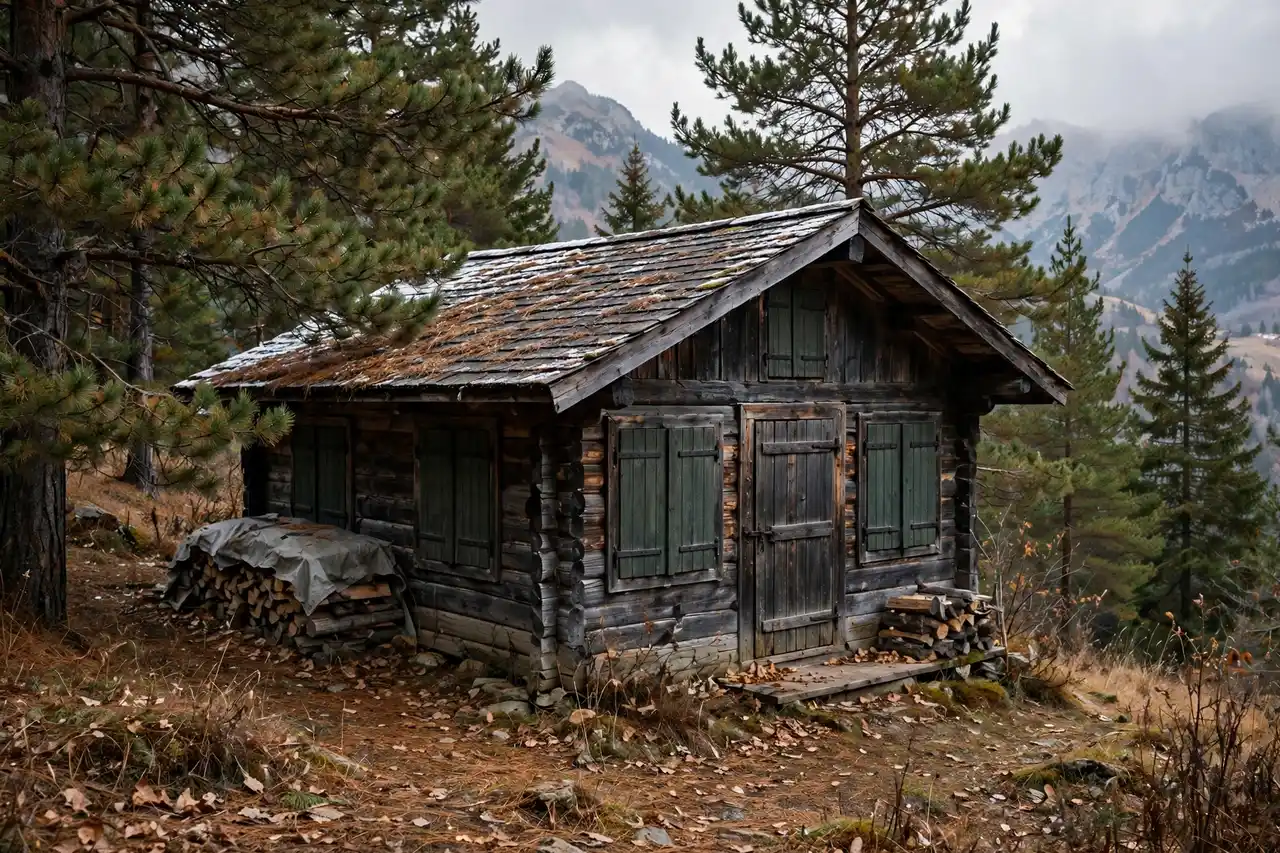
Rodent Control in Brian Head — From Provo, Honestly
This page covers rodent control Brian Head from a Provo base, and it states the distance first, because it matters more here than anywhere else on this site. Brian Head is about 203 to 205 miles driving from Provo — roughly 3 hours and 9 to 11 minutes on the road, about 185 miles straight-line. Provo Rodent Pros is based at 150 South Freedom Boulevard in Provo, and Brian Head is served as a service-area town from that base. We do not have a Brian Head office, and we do not claim one. What we offer is the same rodent-only crew and the same approach, for a town where the rodent problem is shaped by altitude, snow, and buildings that sit closed up for long stretches.
One correction belongs here too: some sources describe the drive as about 250 miles. That figure is not supported — the correct driving distance is about 203 to 205 miles. The rest of this page is built the same way, on verified facts only, with the gaps stated openly where the facts run out.
Brian Head at a Glance: the Verified Facts
Brian Head is a town in Iron County, in southern Utah, with a population of 151 at the 2020 census — one listing gives 164 in 2024 — across about 3.1 square miles. Its elevation is 9,800 feet, the highest town in Utah; Wikipedia lists 9,771 feet, a small unresolved difference. The resort base sits at 9,600 feet and the summit at 11,307 feet. Brian Head Resort has 71 runs across about 650 to 660 acres, with a vertical drop of 1,707 feet, on two mountains — Navajo and Giant Steps. It is Utah's southernmost ski resort, on the Markagunt Plateau, about 29 miles from Cedar City via State Route 143.
The climate is the point. NOAA 1991–2020 normals, at 9,770 feet, give a January mean high of 30.4°F and a mean low of 10.3°F, with a daily mean of 20.4°F; July averages a mean high of 71.0°F and a mean low of 42.2°F, with a mean of 56.6°F; the annual mean temperature is 36.5°F. Annual precipitation is 34.42 inches and annual snowfall is 368.4 inches. About 80.3 days a year never top freezing, and 0°F is reached about 19 times in an average winter. The snowfall figure deserves a note: resort marketing claims about 360 inches and one listing claims 325 inches, while the NOAA normals figure is 368.4 inches. The normals figure is used here as the headline, and the others are recorded as conflicting secondary claims, not reconciled.
The town is primarily a winter resort destination, with a year-round population of about 100 and a housing stock of cabins, condos, lodges, and ski-in and ski-out rentals. That seasonal pattern is the whole rodent story in Brian Head: buildings that sit closed up between visits, in a place where the cold never really leaves, are exactly the buildings mice look for when the temperature drops.
Why Rodents Get Into Brian Head Cabins and Lodges
Utah State University Extension states it plainly: with the onset of cold weather, mice and rats enter buildings seeking food and shelter. A mouse needs an opening larger than a quarter inch — about the width of a pencil — so the sealing rule USU gives is to close every hole or opening larger than 1/4 inch with concrete mortar, sheet metal, or heavy-gauge hardware cloth, and to check garages, barns, and doors with gaps over 1/4 inch. Mice are most active at night and can roam undetected; USU notes that a daytime sighting may indicate a significant problem. They prefer foods high in fat and sugar — chocolate, bacon, butter, nuts — and they regularly urinate and defecate where they travel, so droppings plus a musky urine smell from cupboards or drawers indicate high numbers. A leftover cookie behind a couch cushion can feed a mouse for more than a week, which is why crumbs and open food matter as much as holes in the wall.
At 9,800 feet, that cold-weather entry is not a season — it is most of the year. With about 80 days a year never topping freezing and January averaging 20.4°F, a warm cabin is the most attractive structure for miles. Deer mice live outdoors in fields and vegetative areas around buildings and move indoors when cold, and in Brian Head the cold arrives early and stays late. A cabin that sits closed up between visits is the highest-risk building of all: nobody is there to hear the first scratching, to see the first droppings, or to notice the gap that opened at the foundation over the winter.
One limit must be stated plainly. No authoritative source was found tying rodents specifically to Brian Head cabins or second homes, and no Brian Head rodent survey, infestation count, or local pest-control pricing from an authoritative source exists. This page therefore does not invent a Brian Head cabin-infestation story or a share of second homes. The only authoritative cabin-rodent point available is the Utah health guidance on closed-up buildings, which is given in full below — and the rest of the page is built on the verified resort and climate facts above.
The Closed-Up Cabin Rule: What Utah Health Guidance Actually Says
Utah Department of Health and Human Services guidance says that cabins, sheds, and closed-up buildings are risky for hantavirus exposure, and gives three instructions: air them out before entering, trap mice until all are gone, and clean up safely. The deer mouse is the known carrier of hantavirus pulmonary syndrome, a rare but potentially fatal lung disease found in mouse feces and urine. The CDC reports 890 laboratory-confirmed hantavirus disease cases in the United States from the start of surveillance in 1993 through the end of 2023, with 859 hantavirus pulmonary syndrome cases as of December 2020, about 35% of those fatal, and 94% of cases west of the Mississippi River. Utah's own health department, in guidance published April 28, 2025, states that hantavirus is fatal in about 60% of cases reported. Those two figures differ and are recorded here with their sources, not reconciled.
Safe cleanup follows Utah Department of Health and Human Services guidance: air out closed-up buildings before entering, trap mice until all are gone, wear rubber or plastic gloves, spray urine, droppings, and nests with a bleach solution or EPA-registered disinfectant until very wet, soak for 5 minutes, wipe with paper towels into a covered garbage can, mop or sponge with disinfectant, and wash hands with soap and warm water. Never sweep droppings into the air and never vacuum them with a household vacuum. On the bleach mix, sources differ: CDC-derived summaries give 1 part bleach to 9 parts water, while other summaries give 1 part to 10. Both ratios are recorded here with that attribution, not reconciled. Also put hay, wood, and compost piles far from the home, remove trash and junk piles, and do not leave pet food or water where mice can reach it.
For a Brian Head cabin, that guidance translates into a simple routine: air the building out before anyone goes in and stays in, look for droppings and nesting material before cleaning anything, trap until all mice are gone, and never sweep droppings into the air. If the droppings are extensive, or in an attic or a closed-up space, call before you clean — the safe method is the whole job, not an afterthought. Our rodent dropping cleanup work follows the wet method, and the Utah deer-mouse picture is covered in detail on our deer mice and hantavirus safety page.
Deer Mice, House Mice, and Rats at 9,800 Feet
Three animals account for nearly every call. The deer mouse (Peromyscus maniculatus) is brown-to-gray with a white belly, a furry tail, and ears smaller than a house mouse, about 6 inches long including the tail. It prefers rural areas — fields, pastures, and vegetative areas around buildings — and moves indoors when cold. It is the known carrier of hantavirus pulmonary syndrome. The house mouse (Mus musculus) is smaller, under 8 inches in total, with a slender body, a pointed nose, small protruding eyes, and a hairless tail with obvious scale rings; it lives close to people year-round. The Norway rat (Rattus norvegicus) is much larger, 12–18 inches in total. House mice and Norway rats are not native to North America — they were transported from Europe in colonial settlement. Knowing which one you have matters, because deer mice, house mice, and rats behave differently and are handled differently.
In Brian Head the deer mouse is the species that matters most: a foothill and field animal that lives outdoors and moves indoors when cold, and the known hantavirus carrier. House mice are the year-round indoor species in lived-in lodges and condos. Norway rats are the larger, ground-level animal, much less the story at this elevation than the mice. The inspection reads the signs — droppings, gnaw marks, nesting material, rub marks along baseboards — and the species decides the plan, including whether the cleanup needs the full hantavirus precautions.
Services Available in Brian Head
Mice Control
Deer mice and house mice in cabins, condos, and lodges — removed, then sealed out.
Mice control →Rodent Removal
Live and dead rodent removal from cabins, attics, and wall voids, with cleanup of droppings and nesting.
Rodent removal →Rodent Exclusion
Cabin and lodge sealing: penetrations, vents, garage and shed gaps closed with chew-proof materials.
Rodent exclusion →Attic Rodent Control
Attic inspections and cleanup for lodges and cabins where mice moved in overhead during the long winter.
Attic services →Rodent Inspection
A full entry-point inspection with a written list of findings — the right first step before a season starts.
Book an inspection →Rodent Proofing
Whole-property proofing for cabins and lodges that sit closed up between visits.
Proofing options →How a Brian Head Visit Works
Every job follows the same four steps, in order. Inspection first: we identify the species and map the activity — where droppings are fresh, where rub marks show travel routes, where nests are forming — and outside we walk the foundation, garage, vents, and roofline to find every entry point. Removal: traps are set along the actual travel routes, close to walls, because mice have poor eyesight and excellent touch and smell; USU Extension recommends at least 6 traps, with small amounts of fresh bait — peanut butter or chocolate work well, and cheese is not recommended. Exclusion: every gap found is sealed with materials mice cannot chew through — metal flashing, copper mesh, hardware cloth, and proper sealants. Cleanup and prevention: contaminated areas are cleaned with safe wet methods, never dry sweeping, and we walk through the attractant fixes — sealed food storage, pet food off the floor, clutter away from the foundation. USU advises against using rodenticides or poisons inside homes, because dead rodents decay in the home and cause odour, and notes there is no scientific evidence for electromagnetic or ultrasonic repellent devices.
For a Brian Head property, tell us on the call whether the building is occupied year-round or sits closed up between visits. A closed-up cabin is aired out before anyone enters to work in it, and the inspection checks the places a long-empty building fails first: the foundation and its vents, the roofline, the utility penetrations, and the shed or garage beside it. You get a plain-language summary of what was found before any work starts.
What Rodent Work Costs in Brian Head: Factors, Not Flat Prices
There is no flat price for rodent work, because no two homes present the same job. What shapes the cost is the size of the home and the length of its roofline, how many entry points the inspection finds, whether the attic or crawl space needs cleanup, how much contaminated material must be handled, and whether follow-up visits are needed to confirm the animals are gone. A small home with two gaps is a different job from a large home with a dozen. That is why the first step is always an inspection and a plain-language summary of what was found — so the plan and its cost are tied to your house, not to a generic package. For the factors that drive cost in Utah County, see our rodent control cost guide for Provo, which explains the factors rather than quoting a price for a home we have not seen.
Why Brian Head Cabin Owners Call Us
- Honest about the distance. We are a Provo crew serving Brian Head — about 203 to 205 miles away, no local office claimed, one phone number.
- Closed-up building expertise. We follow the health guidance for cabins and sheds: air out, trap until all are gone, clean up wet, never dry-sweep.
- Rodents only. No general spray program — identification, removal, exclusion, cleanup.
- Materials that hold. Foam alone is a snack. Exclusion uses metal mesh, flashing, and proper seals mice cannot chew through.
- Documentation included. Inspection findings written up clearly for owners, landlords, and property managers.
Brian Head Rodent Questions
How far is Brian Head from Provo, and do you have an office there?
Brian Head is about 203 to 205 miles driving from Provo — roughly 3 hours and 9 to 11 minutes, about 185 miles straight-line. We do not have a Brian Head office, and we do not claim one. Provo Rodent Pros is based in Provo, and Brian Head is served as a service-area town from that base, with the distance stated plainly.
What makes rodent control different at 9,800 feet?
The cold and the snow. Brian Head's January daily mean temperature is 20.4°F, about 80 days a year never top freezing, and the town averages 368.4 inches of snow a year. Rodents that live at that elevation spend the long winter looking for warm, sheltered structures — which is why cabins and lodges that sit closed up between visits need to be checked and aired out before anyone moves back in.
Should I worry about hantavirus in a Brian Head cabin?
Utah health guidance says cabins, sheds, and closed-up buildings are risky for hantavirus exposure, and the advice is to air them out before entering and to trap mice until all are gone. Deer mice are the known carrier. Never sweep droppings into the air and never vacuum them with a household vacuum — use gloves, a bleach solution or EPA-registered disinfectant, soak for 5 minutes, wipe up, bag, and wash your hands.
When should a Brian Head cabin be checked for rodents?
Before the winter season starts and again when it reopens after sitting closed up. Mice move indoors with the onset of cold weather, and a cabin that has been shut for weeks is exactly the kind of closed-up building the health guidance warns about. If you open a cabin and find droppings or nesting material, air it out first and do not dry-sweep.
Do you handle rodent work for rental cabins and lodges?
Yes. The work is the same rodent-only approach — inspection, removal, exclusion, and safe cleanup — applied to cabins, condos, and lodges. Tell us on the call whether the property is occupied year-round or sits closed up between visits, because a closed-up building is checked and aired out differently from a lived-in home.
Nearby Areas
Our home base is Provo, and we also serve Lehi, Orem, and American Fork — see all areas we serve. If you are seeing the signs — droppings, scratching at night, gnawed packaging — our Utah signs of rodent infestation guide explains what each sign means and what to do next.
Brian Head's Rodent Problem, Solved.
Cabin, condo, or lodge with mice? Call Provo Rodent Pros — 24/7.
Call (385) 406-1774