 Provo
Provo Rodent Control for Provo Student Housing
Student housing is rodent control on hard mode: hundreds of young tenants, constant turnover, shared walls everywhere, and kitchens that — honestly — are not always models of crumb discipline. Provo Rodent Pros runs building-wide rodent programs for BYU-area complexes that respect the semester calendar and produce the paperwork managers need when residents complain.
Call (385) 406-1774
Student Housing Rodent Control, Done Right
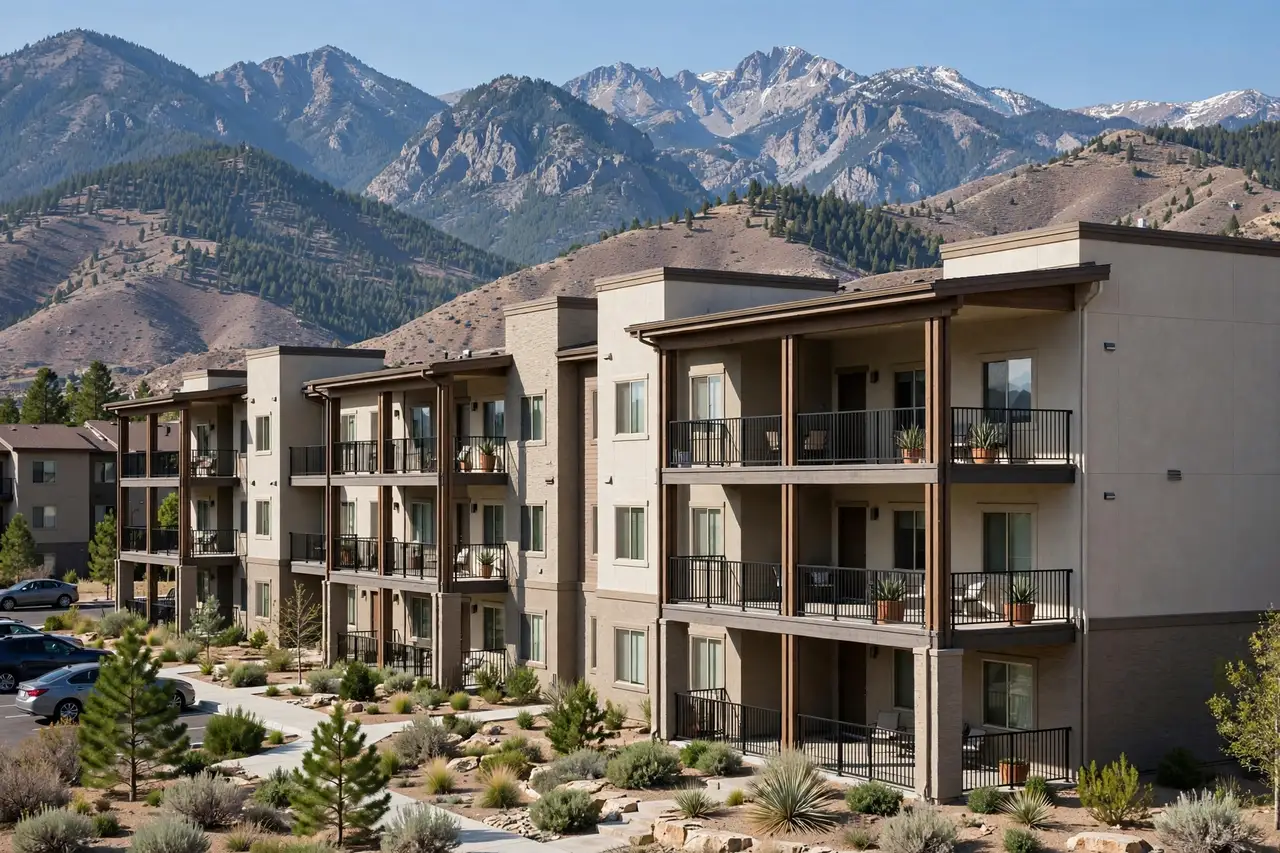
Provo's student-housing belt — the neighborhoods around BYU in Joaquin, University, and the blocks south of campus — packs more people per building than anywhere else in Utah County. That density changes the rodent math completely. A mouse in a single-family home has one kitchen to raid. A mouse in a student complex has forty, connected by shared walls, shared ceilings, and plumbing and electrical chases that run through the building like highways.
Turnover makes it worse. Every semester shuffle empties and refills units within days. Outgoing residents leave food in cabinets; incoming residents bring more; cleaning crews find droppings that nobody reported in April because the tenant was graduating anyway. Meanwhile the building itself ages: door sweeps wear, utility gaps open, dumpster enclosures overflow during move-out week exactly when rodents are watching.
The deer mouse is the usual tenant nobody invited — Provo sits against foothill habitat, and every fall, just as the school year starts, cooling weather pushes deer mice toward warm buildings in the neighborhoods closest to the bench. The result is predictable: complexes that treat units one at a time chase the same mice around the building all year. We do the opposite — treat the building as one system.
How We Get It Done
Survey the whole complex. We inspect representative units, ground-floor and top-floor especially, plus attics, utility rooms, laundry rooms, and the exterior: dumpster enclosures, foundation lines, and landscaping against walls. The goal is a map of where rodents live in the structure, not just where the last complaint came from.
Build the plan around the semester. Heavy exclusion work is scheduled for turnover windows when units sit empty. In-semester service focuses on monitoring, targeted unit visits with proper resident notice, and fast response to new reports.
Seal the shared structure. Utility penetrations between units, gaps at rooflines and foundation, worn sweeps on exterior doors, unscreened vents. Closing the building's shell is what converts a chronic complaint property into a quiet one.
Handle the dumpster reality. Move-out surges and overflowing enclosures feed rats and mice alike. We check enclosures every visit and flag overflow, lid, and drainage problems in writing so management can act on the operational side.
Document by building and unit. Reports note what was found, where, and what was done — the record that answers resident complaints, parent phone calls, and owner questions with dates instead of debates.
There is also a geography to it. Complexes on the east side sit against bench habitat where deer mice live naturally; complexes near the river bottoms and older drainage lines see more Norway rat pressure at dumpsters and ground floors. A survey that ignores which edge of town a complex sits on will misjudge where its rodents come from — ours starts with the map before it starts with the traps.
Signs Your Complex Needs a Building-Wide Plan
Rodent reports that migrate — unit 4 this month, unit 5 next, unit 3 after that; droppings discovered at every turnover; complaints clustered in ground-floor or dumpster-adjacent units; scratching in shared ceilings; and the classic pattern of a problem that disappears in summer and returns every fall with the new residents. Those are not forty separate infestations. They are one building population, and they need one building answer.
Honest Advice Before You Book
No honest company can promise a student complex will stay rodent-free forever — the tenant base turns over completely every year or two, and food habits are what they are. What we can promise is a sealed structure, a monitored perimeter, fast response, and records. That combination reduces rodent complaints to occasional incidents instead of a reputation.
And a word about timing: if you call in October after the fall wave hits, we will help — but the complexes that glide through fall are the ones sealed in August. Put the turnover windows on your calendar and use them.
Student Housing FAQs
Why does treating one unit never work in student housing?
Because the building is one habitat. Units share walls, ceilings, plumbing chases, and often a common attic, so mice squeezed out of one apartment simply move next door. Lasting control in student complexes means inspecting and sealing the whole structure, then servicing units as part of one building plan.
When is the best time of year to service a student complex?
During turnover windows — late spring and late summer between semesters — units are empty and exclusion work is fastest. We also recommend a fall check, because the same cold snap that starts the school year pushes deer mice indoors across Provo.
How do you handle access when residents are students on class schedules?
We coordinate with management on notice and scheduling, provide simple prep instructions you can send residents, and keep in-unit visits short. Most interior checks take minutes per unit when access is arranged in advance.
Can you document service for owners and parent complaints?
Yes. Every visit produces a dated report by building and unit — activity found, work done, entry points sealed. When a resident or a parent calls the office upset, you have a written record of exactly what was done and when.
Related Services
Apartment Complexes
The same building-wide approach for conventional multi-unit housing across Provo.
Apartment service →Property Managers
Turnover inspections and per-unit documentation for managers across Utah County.
Manager services →Rental Property Rodent Proofing
Sealing work that keeps a unit quiet after the current residents move out.
Proof your rentals →Seal the Building Before the Fall Wave
Call to schedule a whole-complex survey timed to your turnover calendar. Documentation included, every visit. Mon–Sat, 7am–7pm.
Call (385) 406-1774