 Provo
Rodent Removal in Provo, UT
Hearing scratching in the attic? Found droppings under the sink? Provo Rodent Pros removes the rodents already in your Provo home — and diagnoses the entry points that let them in. If the job needs an exterminator's visit rather than removal alone, see our rodent exterminator service.
Call (385) 406-1774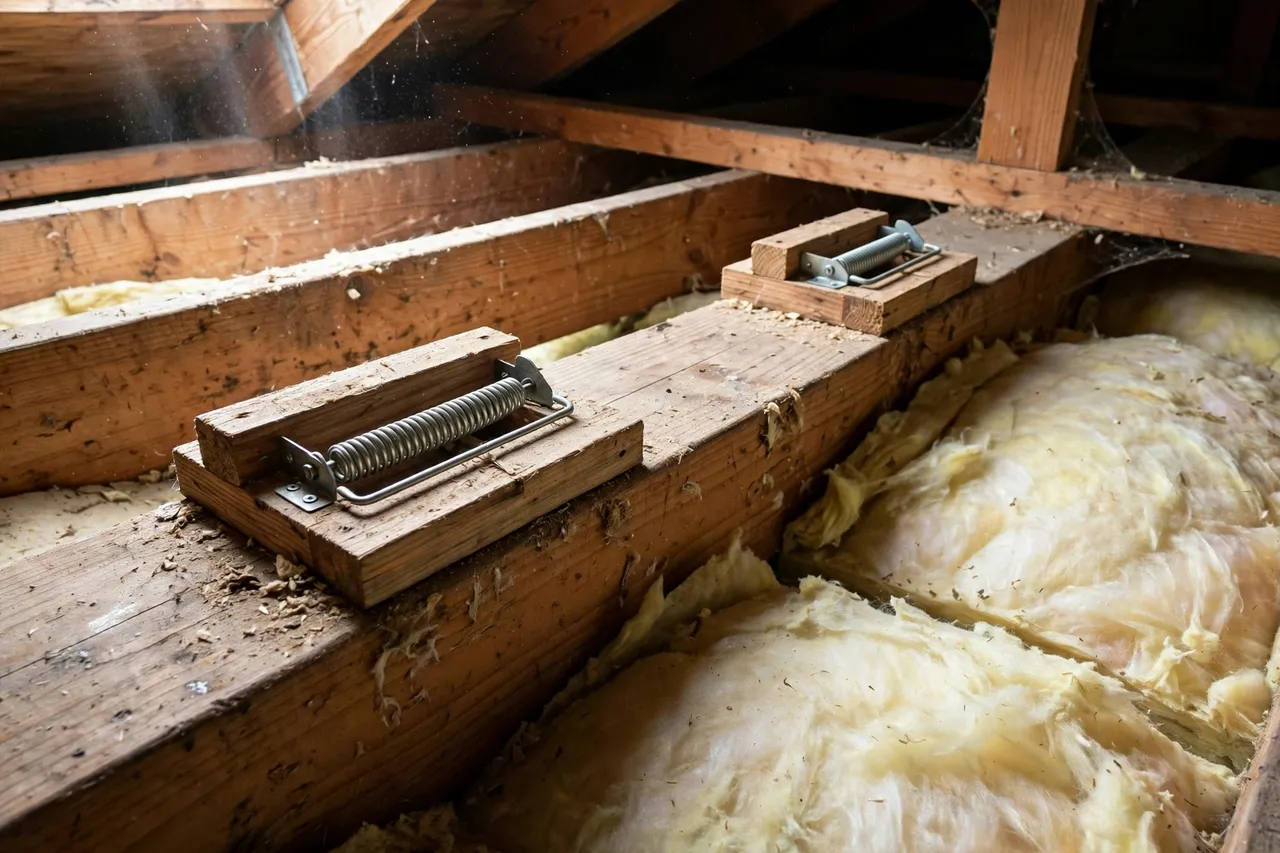
Removal Done Right Means More Than Traps
Anyone can set a trap. What actually solves a rodent problem is finding every animal that's inside, getting them out safely, and figuring out exactly how they got in. That's the standard we work to at Provo Rodent Pros. Rodent removal is the hands-on side of the job: live trapping and humane removal, retrieving dead animals before they become an odor problem, and clearing rodents out of the attics, walls, and crawl spaces where Provo homeowners hear them most.
Here in Utah County, the usual suspects are deer mice — occasional invaders of buildings that live mainly in fields and vegetated areas — along with house mice in kitchens and garages, and Norway rats closer to the Provo River corridor and rail lines. Each one behaves differently, travels differently, and needs a different removal approach. And every fall, when the first cold snaps roll off the Wasatch bench, all of them start looking for a warm way indoors. That's why fall removal calls in Provo spike the way they do.
Deer Mice and House Mice in Utah County
Deer mice live mainly in fields and vegetated areas around buildings. When temperatures drop, they can move indoors in search of food and shelter. Utah State University Extension describes deer mice as occasional invaders of buildings. They can also carry hantavirus, so droppings and nesting material need careful handling. We identify the rodent before choosing a removal or cleanup plan.
Source: Utah State University Extension
One thing we'll tell you on the first visit, because it's true: removal is half the job. The other half is sealing the way in. We diagnose entry points on every removal call, and we'll show you what we find — no pressure, just the facts about your house.
Our Rodent Removal Services
Dead Rodent Removal
Locating and safely removing carcasses from attics, walls, and crawl spaces — with hantavirus-aware handling from start to finish.
Dead rodent removal →Live Rodent Removal
Humane live trapping and handling for homeowners who want the animals out without lethal methods — plus the sealing that has to follow.
Live rodent removal →Rodent Removal From Attics
Clearing mice and nesting activity out of attic spaces, working carefully around insulation and stored belongings.
Attic rodent removal →Rodent Removal From Walls
Dealing with activity inside wall voids — and getting animals out before something dies in there and starts to smell.
Wall rodent removal →Rodent Removal From Crawl Spaces
Removal and inspection under the house, where plenty of Utah County homes give rodents a quiet, undisturbed runway.
Crawl space removal →Dead Rodent Odor Removal
Finding the actual source of a dead-animal smell and dealing with it — not just masking it — plus honest timelines for what to expect.
Odor removal →How Rodent Removal Works
1. Inspection and entry-point diagnosis. We start by reading the evidence: droppings, rub marks, gnawing, nesting material, and the travel routes rodents use at night. Just as important, we walk the exterior and interior looking for how they're getting in — gaps at the roofline, utility penetrations, foundation cracks, worn garage door seals.
2. A removal plan matched to the species and the space. Deer mice in an attic are not Norway rats in a crawl space. We'll tell you which animals you're dealing with, how many we believe are inside, and which removal method fits — live trapping, lethal trapping, or carcass retrieval.
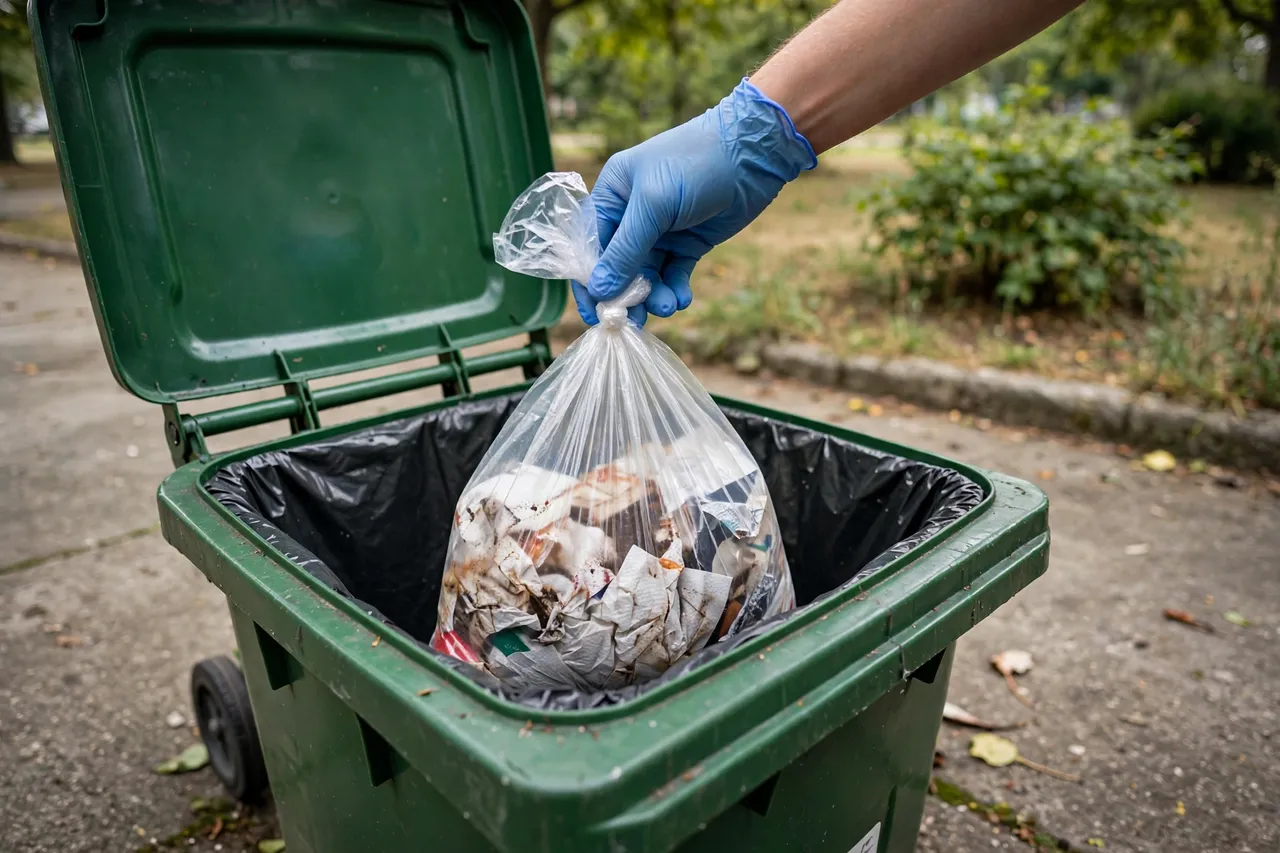
3. Removal visits. Traps are placed on the actual travel routes, checked on a schedule, and adjusted as activity drops off. Dead animals are removed promptly, bagged, and handled with protective equipment — deer mouse droppings and nesting material are never dry-swept or disturbed carelessly, because of the hantavirus risk here in Utah.
4. Confirmation and next steps. When activity stops, we confirm the house is clear and walk you through what we found: the entry points, any droppings or contamination left behind, and what it would take to seal the home up. That conversation leads naturally to rodent exclusion and, where it's needed, damage cleanup.
Why Removal Alone Is Not Enough
Here's the honest pattern we see across Provo: a homeowner traps two mice, the sounds stop for a month, and then a new pair moves in through the same gap under the eave. The house was never fixed — it was just emptied. Rodents follow scent trails and remembered routes, and an open entry point is an open invitation to the next animal.
That's why we pair every removal job with an exclusion conversation. Sealing entry points with rodent-proof materials is what turns a one-time removal into a permanent fix. Removal gets them out; exclusion keeps them out. If a company quotes you removal without ever mentioning how the rodents are entering, ask them why.
Honest Advice Before You Book Rodent Removal in
A few straight answers. First, snap traps from the hardware store work fine for one or two mice in an open area — if that's your situation, try it before you call anyone. Second, be skeptical of poison as a first move indoors: a poisoned animal that dies inside a wall is one of the most common reasons people end up calling us for odor removal instead. Third, if you're hearing noises in several rooms, finding droppings in multiple places, or dealing with anything in an attic, wall, or crawl space, that's past the DIY line — the animals have established routes and harborage, and clearing them takes a systematic approach. Finally, never dry-sweep droppings or nesting material, especially after finding a dead mouse. Wet it down, ventilate, wear gloves and a mask, or let us do it.
Rat and Mouse Removal in Provo
Most Provo calls are rat and mouse removal — deer mice and house mice in attics and walls, Norway rats near the river corridor. We handle removal of rats and mice and diagnose the entry points in the same visit, so the problem does not become a monthly repeat.
Rodent Removal FAQs
What is the difference between rodent removal and rodent control?
Rodent removal is getting the animals that are already inside your home out — live trapping, humane removal, and carcass retrieval. Rodent control is the wider plan around it: inspection, exclusion, and cleanup. Removal alone handles today's animals; control is what stops the next ones from moving in.
Can you remove rodents without poison?
Yes. Most removal work is done with traps and physical methods, not poison. Poison creates a real risk that a rodent dies inside a wall where you cannot reach it, which turns a removal problem into an odor problem. We will always tell you plainly what method we recommend for your situation and why.
How long does rodent removal take?
A straightforward trapping program usually runs a few days to a few weeks, depending on how many animals are inside and where they are traveling. Live trapping and attic or wall work take longer than a simple garage situation. At the first visit we give you a realistic timeline for your home rather than a guess.
Will the rodents just come back after removal?
They can, if the entry points are still open. Mice can squeeze through gaps as small as a dime, and new animals will find the same holes the old ones used. That is why every removal visit includes an entry-point diagnosis, and why we recommend pairing removal with exclusion work.
Is it safe to clean up rodent droppings myself?
Be careful. Deer mice live mainly in fields and vegetated areas around buildings. When temperatures drop, they can move indoors in search of food and shelter. Utah State University Extension describes deer mice as occasional invaders of buildings. They can also carry hantavirus, so droppings and nesting material need careful handling. We identify the rodent before choosing a removal or cleanup plan. Never dry-sweep or vacuum droppings or nesting material. If you have a heavy buildup, or you are not sure what you are dealing with, let us handle the cleanup side as well.
Do you offer same-day rodent removal in Provo?
When the schedule allows, yes. Fall is our busiest season in Utah County, so same-day slots fill fast. Call (385) 406-1774 in the morning for the best chance of a visit that day.
Wondering what this costs? Typical Utah County market estimates — and what moves them — are on our Provo rodent control cost page. Estimates, not quotes; your real number comes after inspection.
Removal is the first step, not the whole job: exclusion seals the entries, and proofing keeps the property from being re-entered. That is why removal alone is never the full answer — see rodent exclusion and rodent proofing.
Signs you need removal: scratching in walls or attics at night, droppings under sinks or in pantries, a dead-animal smell in a wall, or a nest found during cleaning. Removal addresses animals already inside — the entry points that let them in are diagnosed on the same visit.
Removal covers every location: live trapping, crawl space removal, attic removal, and wall removal.
The full comparison — removal vs exclusion vs proofing — is explained in our removal vs exclusion vs proofing guide.
Removal Techniques Matched to the Species
Removal techniques only work when they match rodent behavior. Deer mice, house mice, and Norway rats travel differently, feed differently, and react to traps differently — and rodent populations inside a building are almost never a single animal. A proper removal reads the evidence first: where droppings cluster, which routes carry grease marks, and where nesting material is gathered, then places traps on those routes instead of scattering them and hoping.
What happens to trapped rodents is part of the plan, not an afterthought. Live-caught rodents are handled with a humane effective guaranteed approach and removed from the property; dead rodents in attics, walls, and crawl spaces are located and removed before odor becomes the next problem. Removal ends with confirmation — quiet traps, no fresh sign — before exclusion seals the building against the next population.
Rodents in the House? Get Them Out — and Keep Them Out.
Call Provo Rodent Pros for removal with an entry-point diagnosis on every visit. 24/7.
Call (385) 406-1774