 Provo
Rodent Dropping Cleanup in Provo, UT
You found droppings in the attic, the garage, or the pantry — and in Provo, what you do next matters more than in most places. The deer mouse that invades Utah County homes can carry hantavirus, and the wrong cleanup — a broom, a household vacuum — is what turns droppings into a health risk. This page covers the Utah facts, the species guide, the safe step-by-step method Utah's own health agencies recommend, and when to call us instead.
Call (385) 406-1774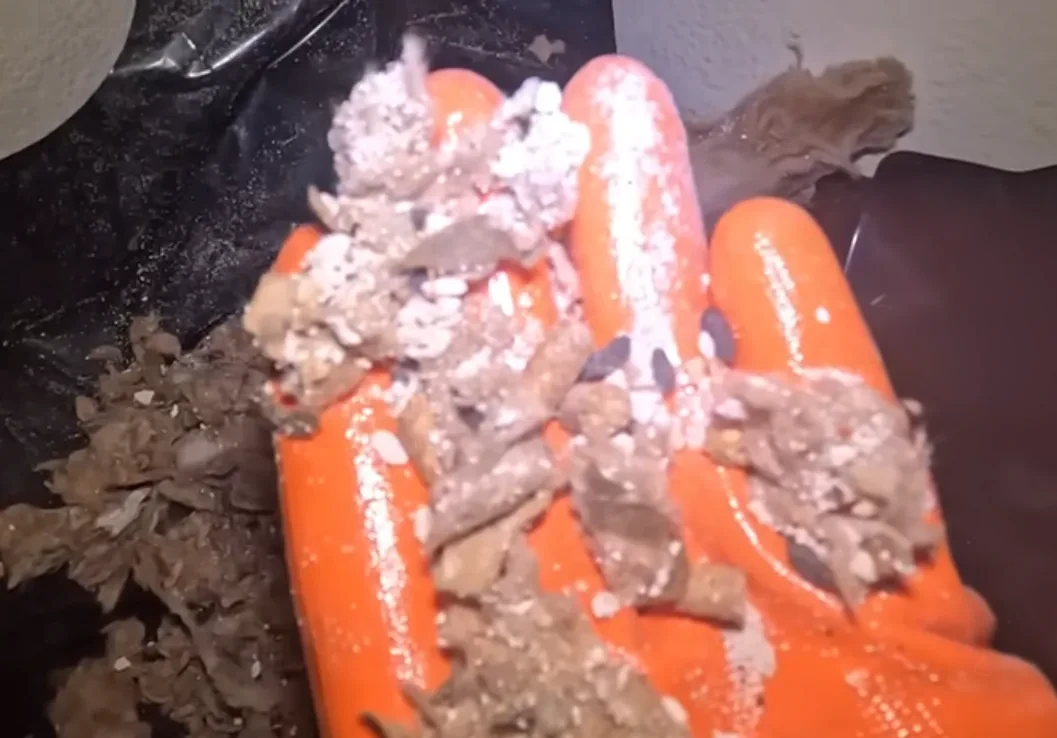
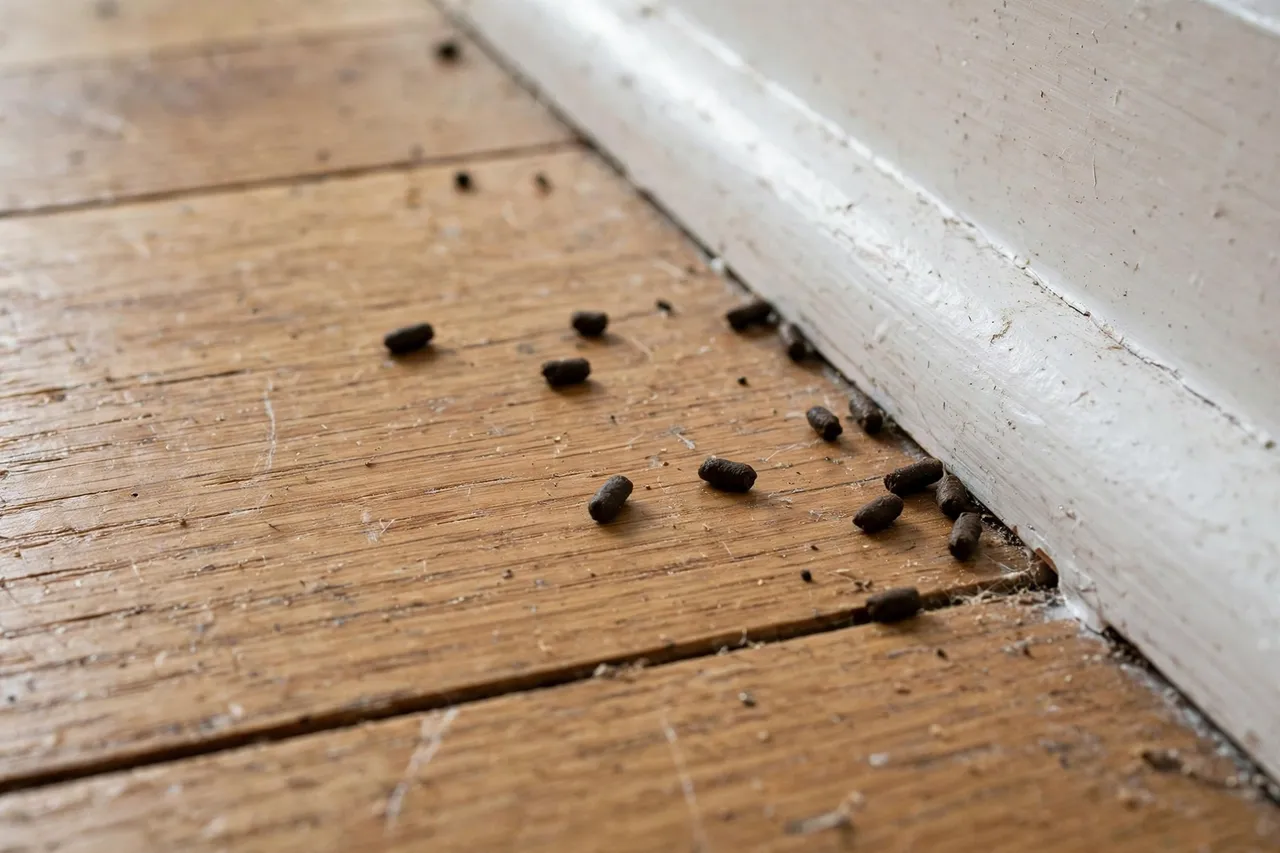
Droppings look harmless. A few dark pellets in a corner, a trail along a baseboard — nothing that seems to demand a professional. In Utah County, that first impression is the dangerous part. The rodent leaving droppings in Provo attics, garages, and crawl spaces is often the deer mouse, and deer mouse droppings and urine can carry hantavirus. The illness does not spread by touching a dropping. It spreads when dried droppings are disturbed — swept, vacuumed, scraped — and the resulting dust is breathed in. So the cleanup method is not a detail; it is the difference between solving the problem and aerosolizing it. If you have already found droppings, do not sweep them, keep kids and pets out of the area, and read the method below before you touch anything.
Why Droppings Are a Health Task in Utah County
The deer mouse (Peromyscus maniculatus) is the primary reservoir of the hantavirus that causes hantavirus pulmonary syndrome (HPS) in the United States, carrying the Sin Nombre strain first recognized in the 1993 Four Corners outbreak — the region where Arizona, Colorado, New Mexico, and Utah meet. The CDC reports 890 U.S. cases from 1993 through the end of 2023, with 35% fatal and 94% west of the Mississippi River. Utah's own health department puts the fatality rate higher, at about 60% of reported cases. Utah has recorded cases since surveillance began: 14 confirmed cases with five deaths by June 2000, and as recently as August 2016, a Utah County woman's death was the second hantavirus death in Utah that year and the tenth Utah case since 2006. She was aged 18 to 44 and had no other health issues.
Most exposures happen at home. In a CDC study of HPS cases from 1993 to 2015, most people (71%) were exposed at home, and 17% of those were exposed while cleaning an area with rodents. People get HPS when they breathe in virus stirred up from dried urine and droppings, or by touching urine, droppings, or nesting material and then touching their eyes, nose, or mouth. The CDC states HPS cannot be transmitted from one person to another. Symptoms appear 1 to 5 weeks after exposure: fatigue, fever, and muscle aches — especially in the large muscle groups — first, then coughing and shortness of breath 4 to 10 days later as the lungs fill with fluid. One honest limit on the numbers: the CDC publishes hantavirus case data by state only, to protect patient identities, so no Utah County-specific case count exists. What is certain is that Utah is in the risk zone, Utah County has had a death, and the exposure that matters most is the one that happens during cleanup — which is exactly the step this page is about.
Which Rodent Left These Droppings?
Start with size. Utah State University Extension puts mouse droppings at usually about 1/4 inch long, while rat droppings are typically 3/4 inch long. That one measurement separates mice from rats at a glance. Separating deer mice from house mice takes more than droppings — it takes the animal — but the two leave similar signs, and both are the mice Utahns most often encounter.
Deer mouse. Brown to gray body with a white belly, a furry tail, ears smaller than a house mouse's, about 6 inches long including the tail. Deer mice prefer rural areas — fields, pastures, and vegetative areas around buildings — and move indoors when it gets cold. USU Extension calls them only occasional invaders in buildings, but in Utah County that is enough: they are known carriers of hantavirus pulmonary syndrome, and their droppings and urine are the reason cleanup method matters here.
House mouse. Under 8 inches in total length, slender body, pointed nose, small protruding eyes, and a hairless tail with obvious scale rings. House mice and Norway rats are the most common commensal rodents in Utah, according to USU Extension. House mice are nocturnal, though they may be active during the day in some areas — and USU notes that because mice are most active at night, seeing them in the daytime could indicate several mice in the house.
Norway rat. Much larger than a house mouse — 12 to 18 inches in total length — and stocky in build. Rats show up in Provo near the river corridor, rail lines, and older commercial areas. If the droppings are 3/4 inch and the animal is the size of a small squirrel, you are dealing with rats, not mice — see our rat control page. If they are a quarter inch, start with mice control.
One more reason not to wait: a house mouse female can produce as many as 13 litters each year, ranging from 3 to 10 pups, and young mice reach sexual maturity at 6 to 8 weeks old. A few droppings found in October can be a colony by December. That is why the cleanup below starts with trapping and sealing — droppings without removal are a chore you will repeat.
The Safe Cleanup Process, Step by Step
This is the method the CDC, Utah State University Extension, and the Utah Department of Health and Human Services agree on. It is the same method we follow on every job. The order matters — and the first step happens before any droppings are touched.
1. Trap and seal first. The Utah County Health Department's guidance after the 2016 hantavirus death was to trap all live rodents and seal entryways — and that after one week of trapping with no additional rodents captured, enough time had passed that the urine, droppings, or nesting material was no longer infectious. Cleanup before removal means cleaning a space the animals still use. Our rodent removal and rodent exclusion work comes first; cleanup follows it.
2. Ventilate. Air out closed-up buildings before going in — that is Utah DHHS guidance, and it matters most for cabins, sheds, and attics that sat closed all winter. Open windows, hatches, and vents and let air move through the space before any material is touched.
3. Protect yourself. Wear rubber or plastic gloves, and a mask. USU Extension's wording: always wear a mask and latex or vinyl gloves while cleaning mouse-infected areas. Do not touch droppings or nesting with bare hands.
4. Wet everything down. Spray urine and droppings with a disinfectant or a mixture of bleach and water, getting them very wet, and let it soak. The CDC's bleach mix is 1.5 cups of household bleach with 1 gallon of water (or 1 part bleach to 9 parts water for smaller amounts). The soak time is five minutes in the CDC and USU guidance; Utah DHHS advises waiting 15 to 20 minutes with a disinfectant spray. Wet material cannot become airborne dust — this step is the heart of safe cleanup.
5. Pick up and bag. Wipe up with paper towels and put the dirty towels into a plastic bag in outside garbage. Then mop or sponge the area with disinfectant or a bleach solution, and wash your hands with soap and warm water after taking off the gloves.
Never sweep or vacuum. The CDC's guidance is explicit: "Do not sweep or vacuum up mouse or rat urine, droppings, or nests. This will cause virus particles to get into the air." The CDC also advises against HEPA vacuums for rodent-infested-area cleanup, since they blow air around and may create aerosols. The two most obvious tools are the two worst ones. Our detailed method page — droppings cleanup after rodent removal — explains the same sequence for the cleanup that follows a removal job.
Where We Clean: Attic, Garage, Cabin, Rental
Attic. The most common accumulation in Provo homes — and the riskiest, because attics are enclosed, dusty, and warm. Droppings collect in insulation, along joists, and around entry points at the roofline. Surface cleaning handles the top layer; when contamination has soaked into insulation, the insulation itself has to come out — see our attic insulation removal and replacement page. Attic work is where professional equipment matters most.
Garage. The usual front door for mice in Utah County: USU Extension notes that garages, houses, barns, or doors with gaps greater than one-fourth inch create open invitations to mice. Garages hold the other half of the problem too — stored pet food, birdseed, and cardboard boxes that become nesting material. A garage cleanup pairs with sealing the door corners and utility penetrations, or the next mouse walks the same path in.
Cabin and vacation home. The spring opening is the risky moment. A cabin that sat closed all winter can hold months of deer mouse activity, and Utah DHHS guidance is written for exactly this case: air the building out before going in, trap the mice until they are all gone, use disinfectant when cleaning up nests and droppings, and do not sweep droppings into the air. If you open a Utah County cabin in April or May and find droppings, call before you clean.
Rental and shared walls. In a rental, droppings are usually found by the tenant and fixed on the landlord's authorization — and in shared-wall buildings, a problem in one unit is rarely one unit's problem. We work with both sides: the tenant who found it and the property manager who has to approve the work. See our student housing and apartment complexes pages for how we coordinate multi-unit jobs.
Kitchen and pantry. Droppings near food are a different urgency: discard any food in chewed or open packaging, disinfect shelves and surfaces with the wet method above, and store what remains in sealed containers. Mice follow food — removing the food source is part of the cleanup, not an afterthought. The CDC's prevention order is SEAL UP, TRAP UP, CLEAN UP, in that order.
Renters and Landlords
Most dropping-cleanup calls from rentals follow the same pattern: the tenant hears scratching or finds droppings, the landlord has to authorize the work, and the gap that let the mouse in belongs to the building, not the tenant. Our job is to make that handoff simple. The tenant tells us where the droppings are and whether animals are still active; the landlord or property manager approves the visit; we report what we found, what we sealed, and what was cleaned, so both sides have the same record. In Provo, where roughly six in ten households rent (U.S. Census Bureau, 39.4% owner-occupied in 2020–2024), this is not an edge case — it is most of the market. And in student housing near BYU, where turnover is constant, a cleanup that includes sealing is the only kind that survives the next move-in. If you are a renter, do not clean a large accumulation yourself — report it, keep kids and pets out of the area, and let the landlord bring in the equipped crew.
The Smell: Why It Lingers
Rodents communicate through scent. Urine trails and pheromone markers along runways tell every passing rodent that a route is safe and a space is established — leave those trails in place and a cleaned, sealed-looking house still advertises itself. Surface cleaning and sanitizing handles most odor. But deep urine contamination in insulation or wood keeps smelling because the source is inside the material — in those cases removing the material is the real fix, and we will tell you when that is the situation. Our urine contamination cleanup page covers that job in detail.
One mistake makes the smell worse, not better: rodent poison inside the home. USU Extension advises against it — mice that feed on poison baits may die in the home, and as they decay, the resulting odor causes additional problems. Trapping and exclusion leave no dead animal in the wall. That is one more reason our standard approach is trapping, not poison.
When to Call a Professional
A few droppings in an open, ventilated room can be handled carefully with the wet method above. Call us when the job is bigger than that: large accumulations, attic or crawl-space contamination, anything involving deer mice at scale, dead rodents, a smell that survives surface cleaning, or a rental where the tenant and landlord both need a documented result. If anyone in the home develops fever, muscle aches, or breathing trouble after rodent exposure, seek medical care promptly and tell the clinician about the rodent exposure — symptoms can appear 1 to 5 weeks after contact. For the cleanup itself, contact Provo Rodent Pros or call (385) 406-1774, 24 hours a day, 7 days a week. We will ask where the droppings are, whether animals are still active, and whether the space is an attic, garage, cabin, or rental — and we will tell you honestly whether it is a job for us or a job you can do safely yourself.
What Dropping Cleanup Costs in Provo
No fixed price — and any page that quotes one without seeing the space is guessing. What sets the cost is the size of the contaminated area, whether it is an open room or an enclosed attic, whether insulation or other material has to come out, whether dead rodents are involved, and whether exclusion is bundled with the cleanup. Cleanup is usually priced with the removal and exclusion job it belongs to, not as a standalone line item. For the Utah County market ranges behind that, see our Provo rodent control cost page — inspection, removal, exclusion, and monthly prevention are listed there as market estimates, not quotes, and the inspection turns the range into your real number.
Rodent Dropping Cleanup FAQs
Is it safe to clean up mouse droppings myself?
A small amount in an open, ventilated area can be handled carefully with the wet method — gloves, a mask, disinfectant or a bleach-and-water mix, soak, wipe up with paper towels, bag them for outside garbage. Large accumulations, attic or crawl-space contamination, and anything involving deer mice at scale should be left to equipped professionals.
Can hantavirus spread from person to person?
No. The CDC states that hantavirus pulmonary syndrome in the United States cannot be transmitted from one person to another — people are infected by breathing in virus from rodent urine, droppings, or nesting material, or by touching contaminated material and then their eyes, nose, or mouth.
How long after exposure would I feel sick?
The CDC says people who get hantavirus pulmonary syndrome feel sick 1 to 5 weeks after being around mice or rats that carried the virus. Early symptoms are fatigue, fever, and muscle aches; 4 to 10 days after the first phase, coughing and shortness of breath can follow as the lungs fill with fluid.
Why can't I just vacuum the droppings?
Because sweeping or vacuuming stirs dried droppings into airborne dust — and breathing that dust is how the virus spreads. The CDC's guidance is explicit: do not sweep or vacuum up mouse or rat urine, droppings, or nests. The CDC also advises against HEPA vacuums for this job, since they blow air around and may create aerosols.
How do I tell mouse droppings from rat droppings?
By size. Utah State University Extension puts mouse droppings at usually about 1/4 inch long, while rat droppings are typically 3/4 inch long. Size alone does not identify the species with certainty — deer mice and house mice leave similar droppings — but it separates mice from rats at a glance.
Does cleaning get rid of the rodent smell?
Surface cleaning and sanitizing handles most odor. Deep urine contamination in insulation or wood keeps smelling because the source is inside the material — in those cases removing the contaminated material is the real fix, and we will tell you when that is the situation.
Cleanup follows removal: once animals are out and entries are sealed, cleanup removes droppings, urine, and scent trails — and proofing keeps new animals from re-marking the space. See rodent removal, rodent exclusion, and rodent proofing. For the wider cleanup service, see rodent damage cleanup.
Droppings Found? Don't Sweep Them.
Ventilate, wet down, protect, sanitize — or let us do it. 24/7.
Call (385) 406-1774