 Provo
Provo Neighborhoods We Serve
Provo sits between two rodent habitats — the Wasatch bench above and the Provo River below — and this city's homes feel both. We remove deer mice, house mice, rats, and voles, and seal the way in behind them.
Call (385) 406-1774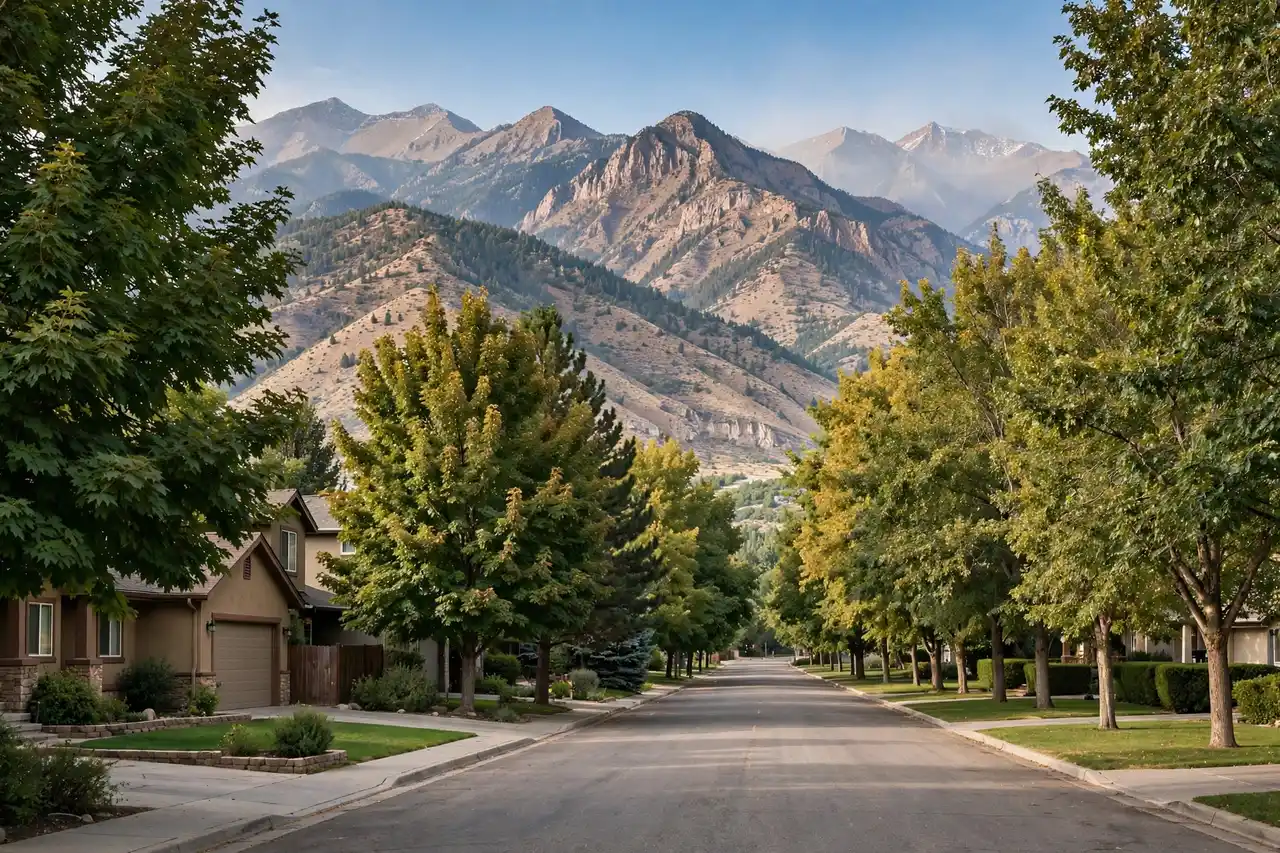
One City, Four Rodent Problems
Provo is not one rodent market — it is several, stacked side by side. On the east side, neighborhoods climb the bench toward the foothills and canyon mouths, and that open land is deer mouse country.
Deer Mice and House Mice in Provo
Deer mice live mainly in fields and vegetated areas around buildings. When temperatures drop, they can move indoors in search of food and shelter. Utah State University Extension describes deer mice as occasional invaders of buildings. They can also carry hantavirus, so droppings and nesting material need careful handling. We identify the rodent before choosing a removal or cleanup plan.
Source: Utah State University Extension
In the older center of the city — downtown, Maeser, and the streets south of BYU — house mice work the settled foundations, original vents, and decades of utility holes in housing stock that was built long before anyone sealed a pipe penetration. In the west, the land drops toward the Provo River and Utah Lake, and the river corridor is where Norway rats live: bigger, bolder burrowing rats that follow the water and the food sources along it. And nearly everywhere in Provo, meadow voles run the lawns, cutting surface trails and girdling young trees and shrubs, especially in spring and fall.
Provo Rodent Pros handles all four, and only rodents — that focus is the point. A deer mouse job on the bench is an attic-and-exclusion job. A Norway rat job in the riverbottoms starts outside, with burrows and harborage. A house mouse job in a Joaquin rental is about shared walls and a dozen small gaps around plumbing. We start every call with an inspection that identifies which rodent, where it is living, and how it is getting in, because in this city the answer changes from one side of town to the other. Then removal and exclusion happen together — getting them out and closing the door behind them — 24 hours a day, 7 days a week.
Provo Neighborhoods We Serve
Downtown
The city's oldest homes and Center Street businesses — settled foundations and mixed residential and commercial rodent pressure.
View this neighborhood →Joaquin
Dense student rentals just south of BYU, with high turnover and older homes converted to multi-tenant living.
View this neighborhood →Maeser
Historic homes south of downtown with mature trees and aging utility penetrations mice use every fall.
View this neighborhood →University
The BYU campus edge — student and faculty housing, busy blocks, and dumpsters that draw rats toward nearby rentals.
View this neighborhood →Edgemont
Bench homes at the foothill edge, where deer mice move in from the open land above into big attics.
View this neighborhood →Rock Canyon
Right at the canyon mouth by the trailhead — the most direct deer mouse pressure of any Provo neighborhood.
View this neighborhood →Indian Hills
Bench homes above the city with mature landscaping, deer mice from above and voles in the sloped yards.
View this neighborhood →Oak Hills
Established bench-area homes on large lots, with irrigation ditches nearby that make prime vole habitat.
View this neighborhood →Foothills
Eastern-edge homes backing onto open foothill land, where newer builds meet wild ground at the garage and shed.
View this neighborhood →Grandview South
West-bench views, a mix of older and renovated homes, and fruit trees that feed mice and voles alike.
View this neighborhood →Grandview North
The north end of the west bench, where student rentals sit mixed in with established family homes.
View this neighborhood →Timpview
Family homes in the northeast near Timpview High, with established trees and fall attic mouse activity.
View this neighborhood →Provost
South-central ranch-style family homes, where crawl spaces are the main rodent highway into the house.
View this neighborhood →Franklin
West Provo toward the river bottoms — older farmhouses, newer builds, and Norway rats near the river corridor.
View this neighborhood →Dixon
A southwest neighborhood with agricultural roots, outbuildings and sheds, and field mouse pressure from open ground.
View this neighborhood →Carterville
Northwest established homes on tree-lined streets — attic entries from overhanging limbs and garage-door gaps.
View this neighborhood →Riverbottoms
Along the Provo River itself — prime Norway rat habitat, riverside trails, and older homes on larger lots.
View this neighborhood →Sherwood Hills
Southeast foothill-edge homes, mostly newer and larger, with deer mice pressing in from the bench above.
View this neighborhood →East Bay
The southeast commercial and industrial edge — warehouses and loading docks whose rodents spill into nearby homes.
View this neighborhood →Lakeview South
The west side toward Utah Lake — open fields, new development displacing rodents, and voles in fresh lawns.
View this neighborhood →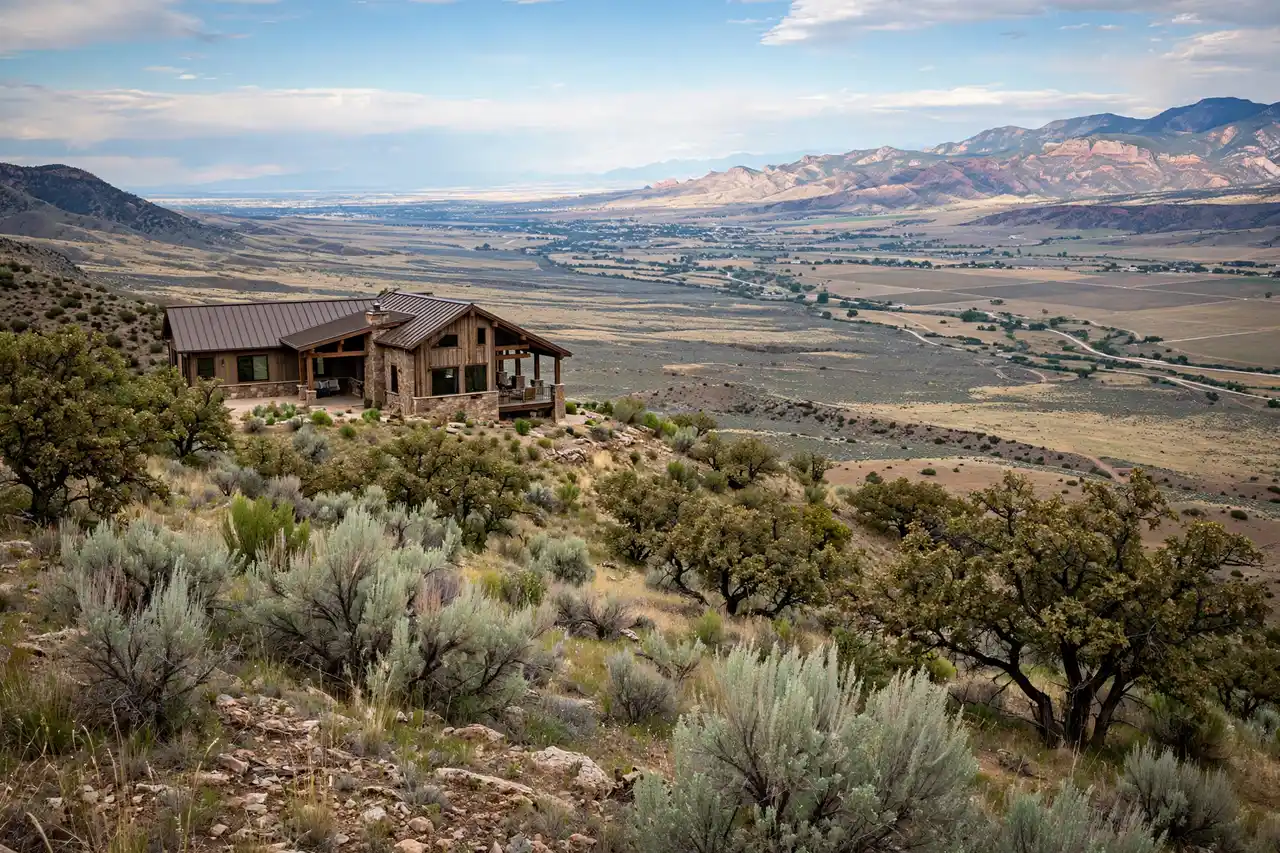
On the east bench, where homes back onto foothill land, deer mice press in from above — see Edgemont, Rock Canyon, Indian Hills, Oak Hills, Foothills, and Sherwood Hills.
Around downtown and BYU, older homes and student rentals share walls and gaps — Downtown, Joaquin, Maeser, and University.
Established family neighborhoods across the bench and north side — Grandview South, Grandview North, Carterville, Provost, and Timpview.
West toward the river and the lake, and along the commercial edge — Franklin, Dixon, Riverbottoms, East Bay, and Lakeview South.
Rodent Control FAQs for Provo
What rodents are most common in Provo homes?
Deer mice live mainly in fields and vegetated areas around buildings. When temperatures drop, they can move indoors in search of food and shelter. Utah State University Extension describes deer mice as occasional invaders of buildings. They can also carry hantavirus, so droppings and nesting material need careful handling. We identify the rodent before choosing a removal or cleanup plan. House mice are common everywhere in the city, Norway rats concentrate near the Provo River and river bottoms, and meadow voles damage lawns across town. Roof rats are rare in Utah and not a typical Provo problem.
When is rodent season in Provo?
Fall is the peak. When temperatures drop on the Wasatch bench, deer mice and house mice move indoors looking for warmth, and most attic and wall calls come between September and November. Activity continues through winter once rodents are inside, voles damage lawns in spring and fall, and river-corridor rats are a year-round issue in west Provo.
Do you work on rental properties and student housing in Provo?
Yes. A large share of Provo housing is rental, especially near BYU, and we regularly work with landlords, property managers, and tenants. We inspect the unit, identify entry points, remove the rodents present, and seal the structure. Who pays depends on the lease, so we are happy to document findings for both sides.
What does a rodent inspection in Provo involve?
We inspect the attic, crawl space, garage, roofline, foundation, and utility penetrations, looking for droppings, rub marks, nesting, and openings as small as a quarter inch. You get a plain-language summary of what we found, where they are getting in, and what removal and exclusion would involve before any work starts.
Can you keep rodents from coming back after removal?
Removal without exclusion is temporary, so our standard approach pairs the two: rodents are removed, then entry points — vents, roofline gaps, pipe penetrations, garage door corners — are sealed with rodent-proof materials. We also point out attractants like woodpiles against the house, pet food in the garage, and unsealed crawl space vents so you can keep pressure off the structure.
Heard Scratching in a Provo Attic or Wall?
That sound almost never goes away on its own — it gets a nest, then a litter. Call for an inspection and find out exactly what you are dealing with.
Call (385) 406-1774