 Provo
Provo Urine Contamination Cleanup in Provo, UT
Droppings you can see. Urine soaks in where you can't — and it does two kinds of damage: odor that won't quit, and scent trails that invite the next colony.
Call (385) 406-1774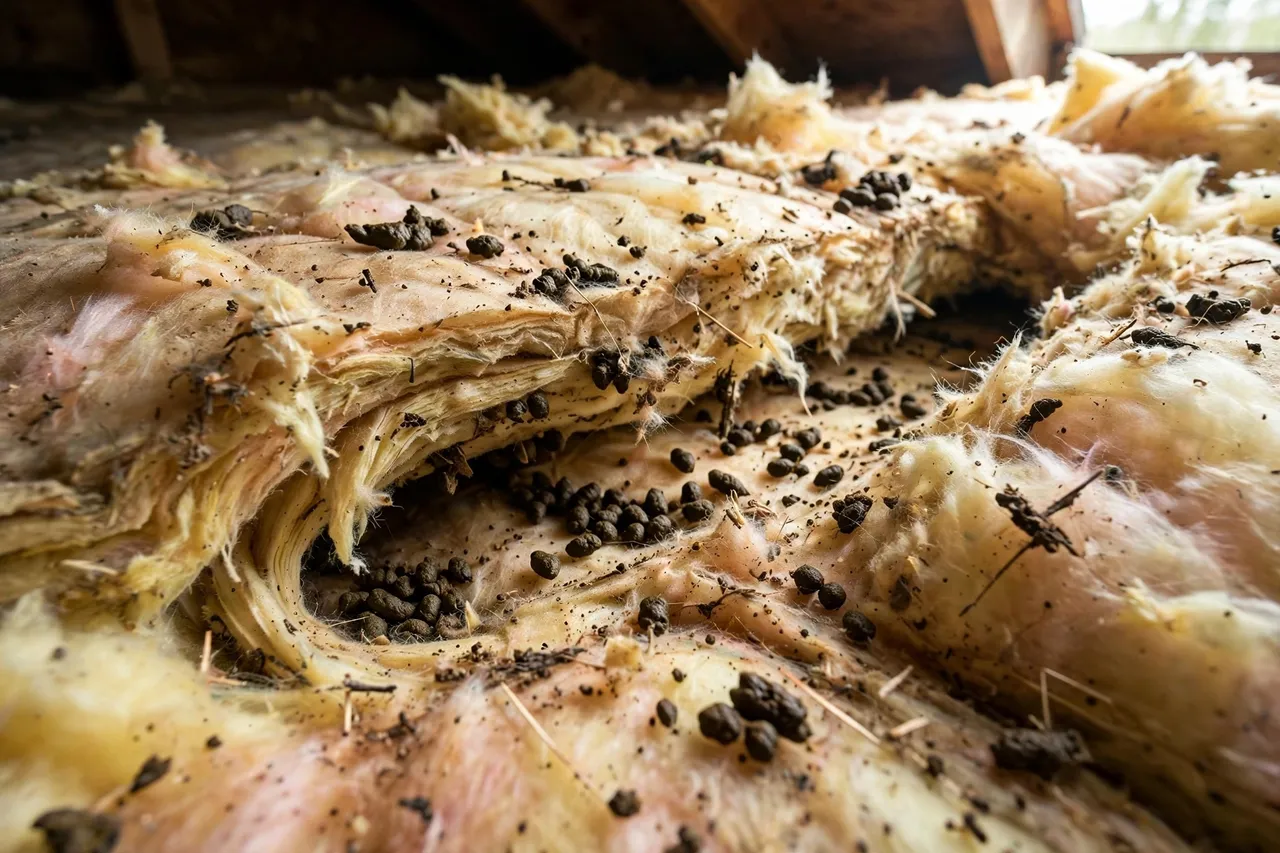
Urine Contamination Cleanup, Done Right
Here's the frustrating version of a rodent problem: the animals are gone, the droppings are cleaned up, the entry points are sealed — and the house still smells like rodents, and six months later there are new droppings in the same corner. The culprit in both halves of that story is urine. Rodents don't urinate randomly. They urinate constantly, in small amounts, along the routes they travel — runways along attic joists, paths through insulation, trails in crawl spaces. Over a season, that urine saturates whatever porous material it touches.
The damage is twofold. First, odor: urine inside insulation, wood, or drywall paper releases smell every time the space warms, and no amount of surface spraying reaches a source that's inside the material. Second — and this is the part most cleanup skips — those urine trails are pheromone signage. Rodents read them as proof that a route is safe and a space is habitable. Leave the trails, and your home keeps sending invitations after the original tenants are gone. Urine contamination cleanup is about removing the source and erasing the signal.
How We Get It Done
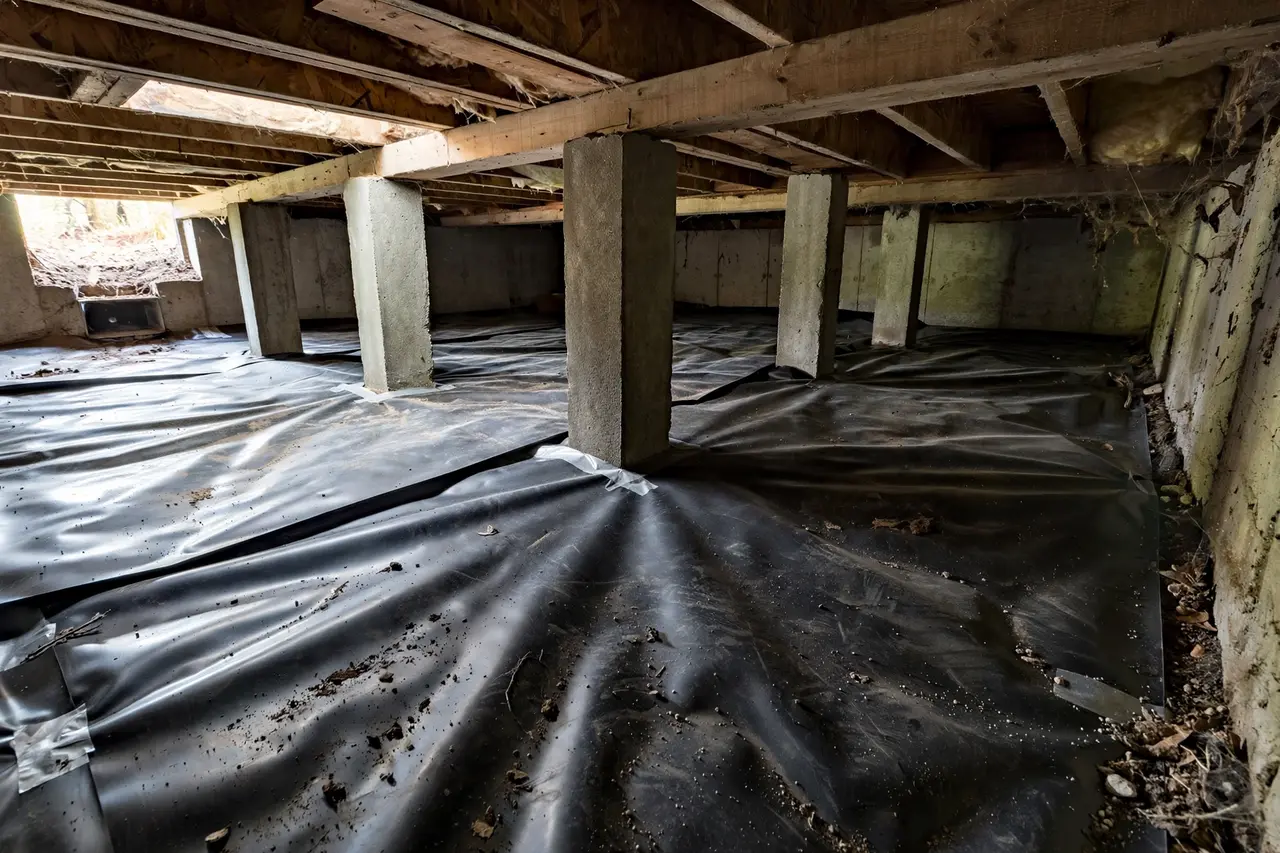
Map the contamination. Urine concentrates where rodents lived and traveled: nesting sites, runways, feeding spots. We assess staining, odor intensity, and droppings patterns to judge how deep and how wide the contamination runs — in insulation, on wood framing, in crawl space soil and vapor barriers.
Treat what can be treated. Hard and semi-porous surfaces — joists, attic floors, concrete, framing — get cleaned and treated with disinfectant and enzymatic deodorizer that breaks down urine residue rather than masking it. Light, localized insulation contamination can be treated in place in some cases.
Remove what can't. When insulation is saturated through its body, the honest answer is removal. No surface product reaches urine distributed through six inches of batt. Saturated material comes out using the same wet, protected method as droppings cleanup, the cavity is sanitized, and — where it's an attic — fresh insulation goes in after sealing (see insulation removal & replacement).
Erase the trails. Runway surfaces get special attention, because breaking the pheromone map is what stops the "cleaned house, new rodents" cycle — combined with exclusion on the entry points, so the route is both unmarked and closed.
Signs You Need Urine Contamination Cleanup
A rodent smell that survives ordinary cleaning and returns on warm days or when the furnace kicks on. Yellowed, stained insulation or dark staining along joist lines. A crawl space or garage corner with a persistent ammonia-like odor. Or the classic pattern: rodents removed, everything "cleaned," and new activity in the exact same spots within a season — a sure sign the scent map was left intact.
Honest Advice Before You Book
Be skeptical of odor promises. A company that guarantees a smell is gone after spraying has never met deeply saturated insulation. Ask what's actually in the material versus on it, and ask to see the staining for yourself — contamination you can see is a claim you can verify. Also understand the boundary: urine cleanup erases scent and odor, but it cannot substitute for sealing. Erased trails plus open entry points still equals new rodents eventually; the two services belong together.
Urine Contamination FAQs
Why does rodent urine smell linger after cleaning?
Because urine soaks into porous material — insulation, wood, drywall paper — and surface cleaning only reaches the surface. The odor source is inside the material, so it keeps releasing smell, especially when the space warms up.
What are pheromone trails and why do they matter?
Rodents urinate along their travel routes, laying scent markers that tell other rodents the route is safe and the space is established. As long as those trails remain in insulation and along joists, your home keeps advertising itself to new rodents — even after the originals are gone.
Can sanitizer fix urine-soaked insulation?
Not when saturation is deep. Sanitizer treats surfaces; urine distributed through the body of insulation is beyond its reach. Light, localized contamination can be treated. Heavy, widespread saturation means the insulation needs to come out — and we'll show you the difference honestly.
How do you find urine contamination you can't see?
By following the rodent logic: nesting sites, runways along joists and pipes, and feeding areas are where urine concentrates. Odor mapping on a warm day, visual staining, and the pattern of droppings together show where contamination is heaviest.
Related Services
Rodent Damage Cleanup
The complete cleanup service: droppings, urine, nesting, and carcasses — with the safe wet method throughout.
Damage cleanup →Droppings Cleanup
The visible half of contamination, cleaned the safe way: ventilate, wet down, protect, remove, sanitize.
Droppings cleanup →Attic Cleanup
In attics, urine and droppings contamination are handled together, with an insulation verdict included.
Attic cleanup →Erase the Smell — and the Signal
Urine contamination treated at the source, pheromone trails removed, honest calls on what has to come out. Mon–Sat, 7am–7pm.
Call (385) 406-1774