 Provo
Provo Rodent Control in Dixon
Dixon grew out of farmland, and the fields are still at its edges — field mice live out there year-round and move into sheds and homes whenever the fields are worked. We protect the whole lot, not just the house.
Call (385) 406-1774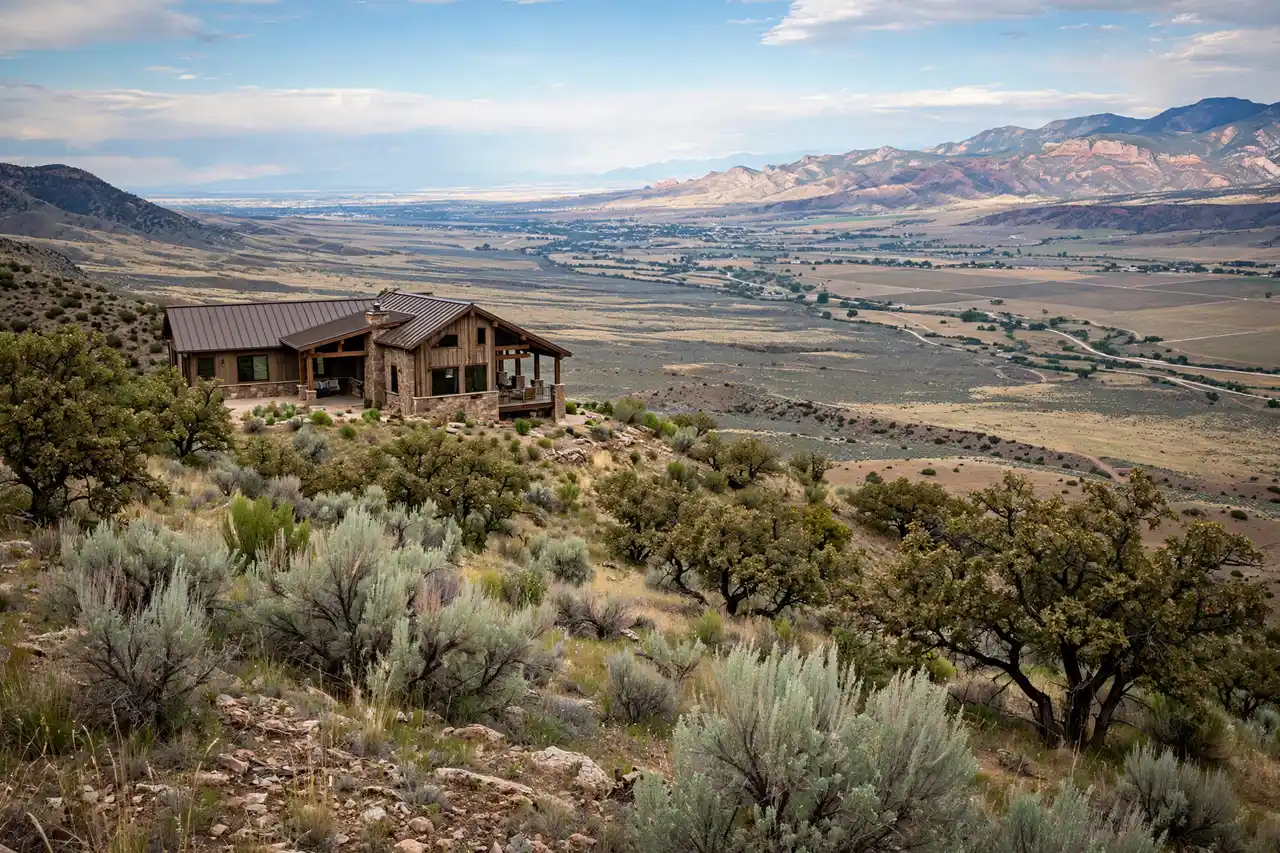
Your Local Dixon Rodent Exterminator
Dixon, in Provo's southwest, still carries its agricultural roots in its bones: bigger lots, garden plots, sheds and small barns, chicken coops, and open field ground at the neighborhood's edges. That landscape runs a rodent cycle different from the rest of Provo's. Most of the city deals with mice in October. Dixon deals with mice whenever the fields change — plowing, irrigating, cutting, and harvest all displace field mice in waves, in any season, and the structures they run to are Dixon's outbuildings first and its homes second. A Dixon homeowner can do everything right and still find the shed colonized in June, because the pressure here is not seasonal. It is agricultural.
The outbuildings are the center of it. A shed in Dixon is rarely just storage: it holds feed, seed, and garden supplies, its door has a thumb-wide gap at the bottom, and its floor sits at grade where mice slip under. Coops add spilled grain and warm bedding. Mice — including deer mice, which are common in Utah's open country and are the hantavirus-associated species — nest within feet of that food supply, breed there, and explore outward to the garage and the house foundation. By the time droppings appear in a Dixon kitchen, there is usually a well-established population twenty feet away that nobody thought to check, because nobody thinks of the shed as part of the house's rodent problem. In Dixon, it is the first part.
Our Dixon work therefore treats the lot as the unit of service. Inspection covers the house shell and attic, the garage, and every outbuilding, with feed storage and floor and door gaps read as rodent infrastructure — because here, they are. The plan separates house exclusion from outbuilding fixes and gives you the storage changes that actually move the needle: sealed containers, feed off the floor, coop spillage managed. Shrink the population living on the lot, seal the house against the ones that remain, and Dixon's field-edge location goes back to being a feature instead of a monthly infestation schedule.
Services Available in Dixon
Mice Control
Field and deer mice displaced from open ground in any season. We clear the house and the outbuildings, and break the shed-to-house route they establish on agricultural-edge lots.
Mice control in Dixon →Rat Control
Norway rats around feed storage, coops, and outbuilding clusters. We remove the rats and address the food and shelter setup that is holding them on the property.
Rat control in Dixon →Rodent Removal
Removal scaled to a full Dixon lot — house, garage, sheds, and coops — including long-resident outbuilding colonies that predate the house problem by seasons.
Rodent removal in Dixon →Rodent Exclusion
House sealing for southwest Provo construction, plus door and floor-gap fixes for outbuildings where practical, so the lot stops functioning as a rodent staging area.
Exclusion in Dixon →Attic Rodent Control
Attic mice cleared and cleaned with deer mouse protocol where the species calls for it, and rooflines sealed against Dixon's year-round pressure.
Attic control in Dixon →Rodent Inspection
A whole-lot inspection: house, garage, sheds, coops, and feed storage assessed as one rodent system — the only way a Dixon inspection makes sense.
Inspection in Dixon →Why Dixon Calls Us
- Whole-lot scope: coops, sheds, and feed storage inspected as rodent infrastructure, not ignored as yard clutter.
- Season-independent thinking: we plan for field-displacement waves in June as seriously as the October push.
- Outbuilding-safe cleanup: deer mouse waste in enclosed sheds handled wet and protected, never dry-swept.
- Practical feed advice: storage changes that shrink the population your house has to resist.
Rodent Control FAQs for Dixon
Why do Dixon homes near open fields get mice even in spring and summer?
Most of Provo's mouse pressure peaks in fall, but Dixon borders open agricultural ground where field mice live year-round at high density. When fields are worked, irrigated, cut, or harvested, the mice in them move — and the nearest structures are Dixon's sheds, garages, and homes. So Dixon sees displacement waves tied to field activity in any season, on top of the normal fall push.
Does storing feed or seed in my shed really matter?
It is one of the biggest factors in an agricultural-edge neighborhood. Grain, chicken feed, pet food, and bird seed stored in sheds or garages are concentrated rodent food, and mice will nest within feet of it. Sealed metal or heavy plastic containers, off the floor, make a shed far less attractive. It does not replace sealing the house, but it removes the reason mice settle on your lot in the first place.
My problem is in the shed and chicken coop area, not the house. Can you still help?
Yes — and it is smart to handle it there first. Outbuildings are where Dixon rodents establish before they reach the house. We inspect the shed and coop area, identify whether it is mice, rats, or both, and lay out removal plus the practical fixes: feed storage, floor and door gaps, and harborage against the walls. Protecting the house includes shrinking the population living twenty feet from it.
What is the difference between field mice and deer mice in Dixon?
Around Dixon, the outdoor mouse population includes deer mice — the same species found across Utah's open country, and the one associated with hantavirus. That is why droppings in sheds, coops, and garages here should not be dry-swept. During an inspection we identify what we are dealing with, and cleanup of enclosed outbuilding spaces follows the same wet, protected method used for deer mouse waste in homes.
Other Provo Neighborhoods
Serving every part of the city — see the full Provo rodent control page for all twenty neighborhoods.
Mice in the Shed Before the House?
That is Dixon's early-warning sign — and the cheapest moment to act. Call for a whole-lot inspection.
Call (385) 406-1774