 Provo
Provo Winter Rodent Problems in Provo Homes
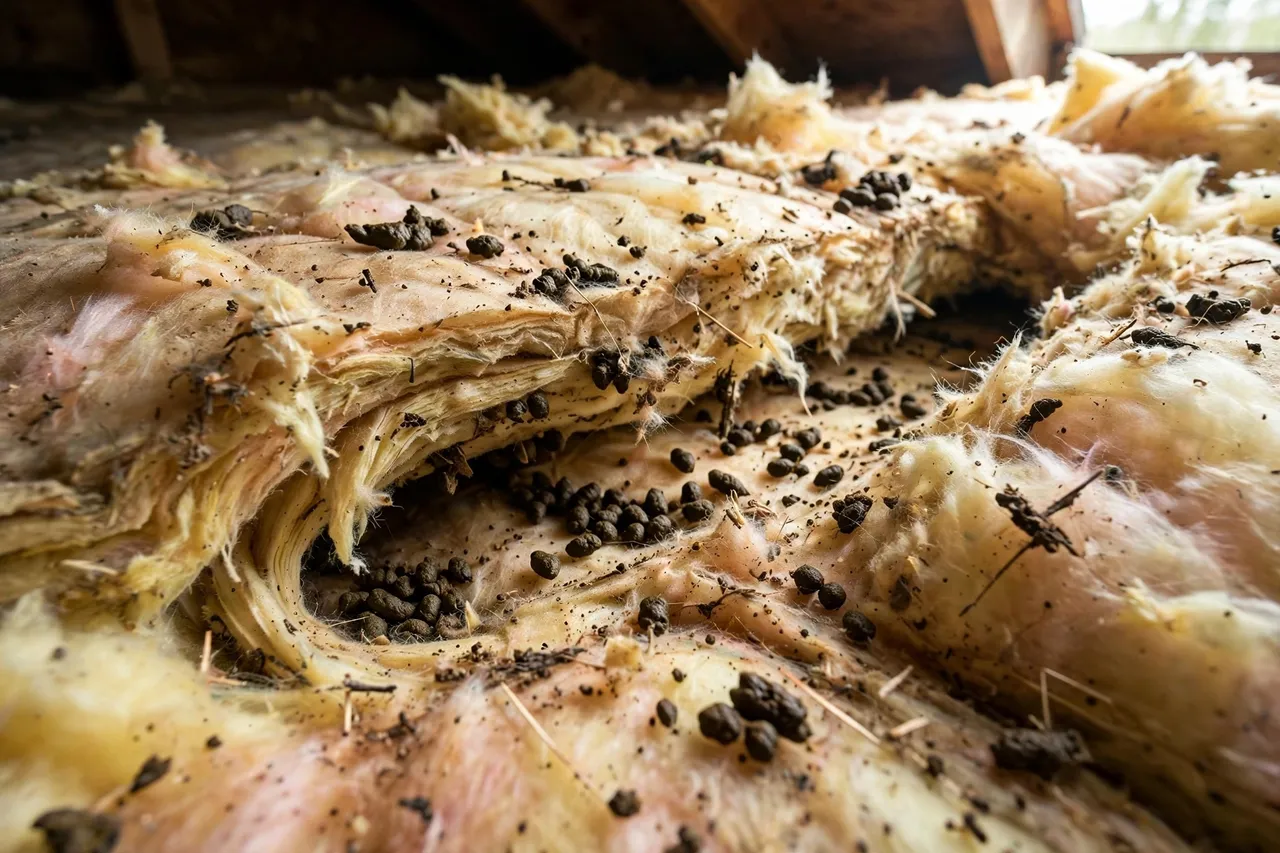
There's a comforting myth that rodent season ends when the snow flies. In Provo, winter is actually when the fall's decisions come due. The mice that slipped in during October didn't leave — they're warm, fed, and reproducing behind your walls while the yard outside is frozen. Meanwhile, a different set of winter problems unfolds in the garage and under the snow in the lawn. Here's what rodents are actually doing in Utah County's coldest months, and the mid-winter checks that keep a small problem small.
Already Inside — and Breeding Through Winter
Mice don't hibernate, and they don't observe a winter breeding shutdown when conditions are good. A wall void or attic in a heated Provo home offers stable warmth, and pantries and pet food supply the calories — so a pair of deer mice or house mice that entered in fall can produce multiple litters before spring. This is the arithmetic behind the common spring surprise: the "couple of mice" a homeowner decided to ignore in November becomes an established, multi-generational population by March, with contamination spread much wider. Our mice control work in winter follows the same logic as fall — remove the population, then seal — because a sealed house with mice still inside just relocates the problem to your walls.
The Engine Bay Problem: Warm Cars, Chewed Wiring
One of Utah's most expensive winter rodent habits happens outside the house entirely. A recently driven vehicle holds heat in its engine bay for hours, and the bay is full of tight, dark, sheltered spaces. Rodents — mice especially — move in for the warmth, build nests from hood insulation and nearby debris, and chew. Wiring insulation, hoses, and belts all get gnawed, and the damage typically announces itself as a no-start, a warning light, or a repair bill in the middle of winter. Vehicles that sit for days between drives and cars parked outside or in unheated garages are at the highest risk.
Practical defenses: check under the hood every week or two in winter for nesting material and droppings, especially after a vehicle has sat. Keep the area where you park free of food attractants — bird seed and pet food stored in the garage feed the same mice eyeing your engine bay. Clear nests promptly (with gloves, and never reach blindly into a nest). If you're finding repeated nesting, the garage itself likely has a population and openings worth addressing.
The Mid-Winter Garage and Attic Check
Fifteen minutes, twice a winter, catches most problems while they're cheap. In the garage, look along wall bases and behind stored items for fresh droppings, check stored seed and pet food for chewing, and confirm the door still seals at the corners. In the attic, look for new tunnels in insulation, fresh droppings along runs, and listen on a quiet night afterward for new activity. In the pantry and under sinks, fresh pellets mean the commute routes are active. Fresh sign in January is not a "wait for spring" item — winter populations grow, and mid-winter is when our rodent inspections most often save homeowners a much bigger spring job.
Outside: Damage You Won't See Until Thaw
While the house hosts its winter tenants, meadow voles are working under the snowpack in the lawn — feeding, tunneling along their surface runways, and gnawing the bark of young fruit trees, all hidden from view. Frozen ground doesn't stop them; the snow is insulation, not an obstacle. You can't inspect what you can't see, but you can protect in advance: tree guards fitted in fall, mulch pulled back from trunks, and a prompt inspection the week the snow melts, before spring breeding ramps up. Our guide on voles damaging Provo lawns covers the full identification and protection routine.
The Winter Bottom Line
Winter doesn't pause rodent problems — it conceals and compounds them. The homeowners who come out of a Utah winter cleanly are the ones who treat January activity as real, peek under the hood and into the attic mid-season, and deal with small signs while they're still small. Spring will reveal whatever winter hid; a mid-winter check decides whether that reveal is a relief or a bill.
Frequently Asked Questions
Do mice breed inside houses during winter?
Yes. Mice that moved in during the fall don't pause for winter — with warmth, food, and water available indoors, they keep breeding through the cold months. A small fall problem can be a much larger one by spring if it's left alone.
Why do rodents nest in car engines in winter?
A recently driven car's engine bay stays warm for hours and offers tight, sheltered spaces. Rodents nest there and chew wiring and hoses — a common winter problem in Utah, especially for vehicles parked outside or driven infrequently.
Should I check for rodents in the middle of winter?
Yes — a mid-winter check of the attic, garage, and pantry takes a few minutes and catches growing problems early. Look for fresh droppings, new sounds, and disturbed storage. It's far easier to deal with in January than at spring thaw.
Keep Reading
Why Mice Move Indoors Along the Wasatch in Fall
How the winter population got inside in the first place.
Read →Replacing Insulation After a Mouse Infestation
When a winter in the attic ruins the insulation itself.
Read →Fresh Droppings in the Middle of Winter?
That's a growing population, not a leftover. We'll clear it out and seal the house while it's still a small job.
Call (385) 406-1774