 Provo
Provo Moving to Provo? What to Know About Rodents
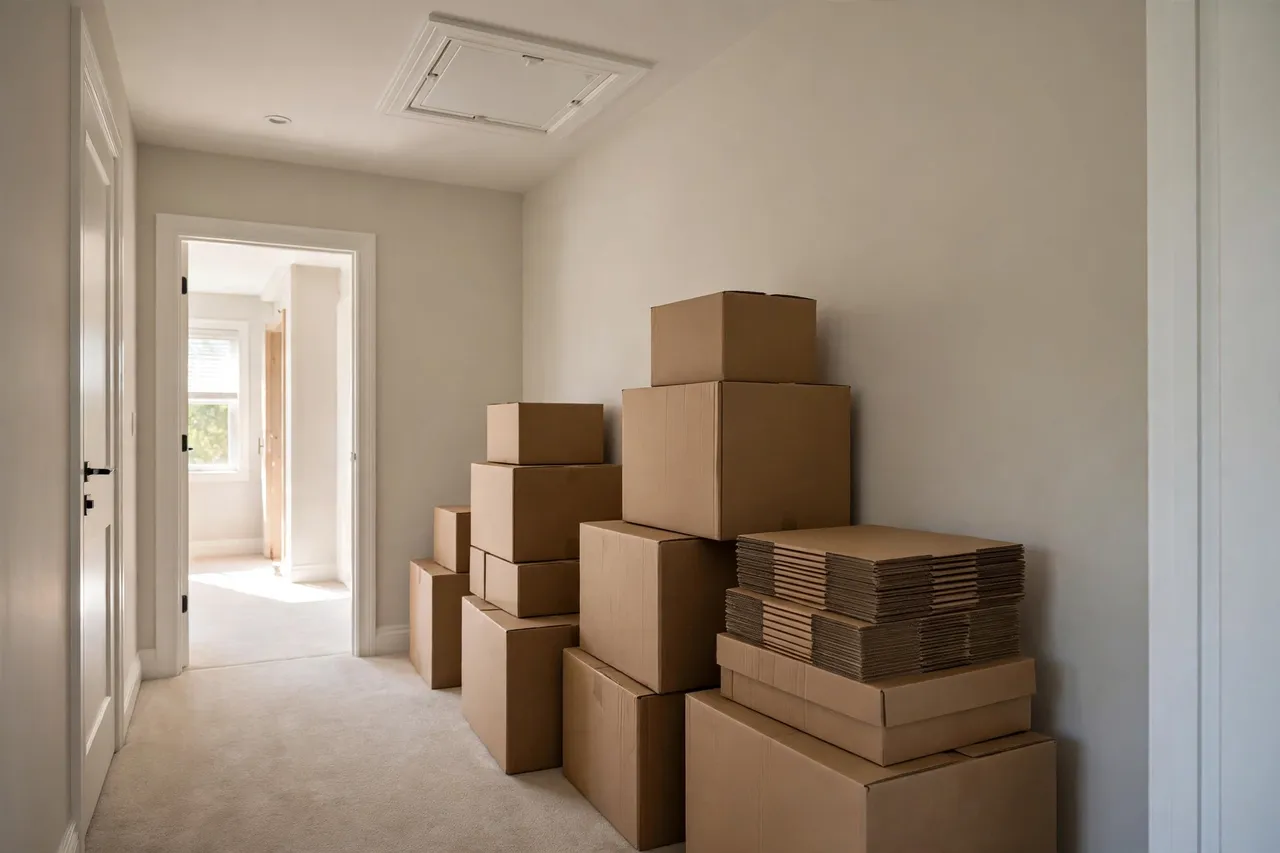
Welcome to the valley. Whether you are arriving for BYU, a tech job up the freeway, or family, Provo has a lot going for it — and one small local fact that surprises newcomers every year: rodent season here is a real season. Houses sit between the Wasatch foothills and open farmland, with a river running through town, and the mice, rats, and voles that live in that landscape treat October like moving day. Here is what to check in your new home so your first Utah winter is quiet.
First, Understand the Geography
Where your home sits in Provo predicts which rodents you will meet. Bench and foothill neighborhoods — Edgemont, Rock Canyon, Indian Hills, the east side generally — back onto brush and open slopes. Your mouse will be the deer mouse, arriving from the hillside as nights cool. Older central neighborhoods near downtown and campus have the classic house mouse story: mature homes, settled foundations, decades of additions and repairs where gaps hide. The west side and newer growth sit on former fields — your pressure comes from field mice and lawn-damaging voles displaced by construction. And anywhere near the Provo River corridor or irrigation ditches, add Norway rats to the list. None of this is a reason to avoid an area. It is a reason to check the right things.
The Attic: Look Before the Snow Does
If you check one space, make it the attic. Bring a flashlight and look for droppings along the edges and around the hatch, tunnels or trails in the insulation, and any nesting piles in the corners. Check for daylight at the eaves — gaps at the roofline are how most attic infestations start here. If the sellers "never had a problem," the attic will confirm it or quietly disagree. Old contamination matters too: droppings from a past infestation tell you the entry points were never sealed, which means the house is still open. In Utah, treat droppings with respect — ventilate and avoid dry sweeping, since deer mice are associated with hantavirus (our safety guide covers the careful method).
The Garage and the Gaps
Next, walk the garage like a mouse. Crouch at the closed garage door and look at the bottom corners — if you can see daylight, a mouse can walk in. Run your eyes along every pipe, conduit, and line that passes through the walls; the gaps around penetrations are the second most common entry we find. Outside, walk the foundation line: vents with torn screens, cracks at the corners, gaps where siding meets concrete, and utility boxes with open knockouts. Then look up — where the roof planes meet, around vents and the chimney, and any tree branch that touches the roof. You are looking for pencil-width openings; mice need nothing more.
Buying? Add One Inspection
A general home inspection is a broad survey, and rodent evidence often gets a single line — "droppings noted in attic." A dedicated pre-purchase rodent inspection answers the questions that actually affect your wallet: Is anything active now? How contaminated is the attic? Where are the entry points, and are they cheap seals or roofline work? Sellers can address documented findings during due diligence far more easily than you can after closing. If you have already moved in, the same inspection in your first fall — before the October push — is the next best timing.
Your First-Fall Routine
Settled in? Make these habits part of the house: store pet food and birdseed in sealed metal or heavy plastic containers; keep firewood stacked away from the siding; pick up fallen fruit if your yard has fruit trees (many Provo yards do); and listen, on the first cold nights, for the attic. Newcomers who do the fall check once tend to do it every year — because in Provo, an hour of sealing in September is simply what home maintenance looks like.

Quick Questions
Are rodents really that common in Provo?
Common enough that fall mouse-proofing is routine maintenance here, like servicing a furnace. Provo sits between foothills and farmland with a river corridor through it — ideal rodent geography. A sealed house is simply part of owning a home in the valley.
We are buying a home. When should the rodent inspection happen?
During your due-diligence period, alongside the general home inspection. A standard inspection may note droppings in passing; a rodent-specific inspection looks for entry points, attic contamination, and evidence of past infestations that affect what you should ask the seller to address.
Is the bench or the west side better for avoiding mice?
Neither is immune — they get different mice. Bench homes get deer mice from the foothills; west-side and newer homes get field mice and voles from open ground. A sealed house in either area beats an unsealed one.
Keep Reading
Is Your Landlord Responsible for Pest Control in Utah?
Renting instead of buying? How responsibility generally splits in Utah rentals.
Read the post →Why Mice Move Indoors Every Wasatch Fall
The seasonal drivers every Utah homeowner should understand.
Read the post →New Home, Clean Slate — Keep It That Way.
A rodent inspection now means a quiet first winter. Call Provo Rodent Pros, Mon–Sat, 7am–7pm.
Call (385) 406-1774